Portfolio

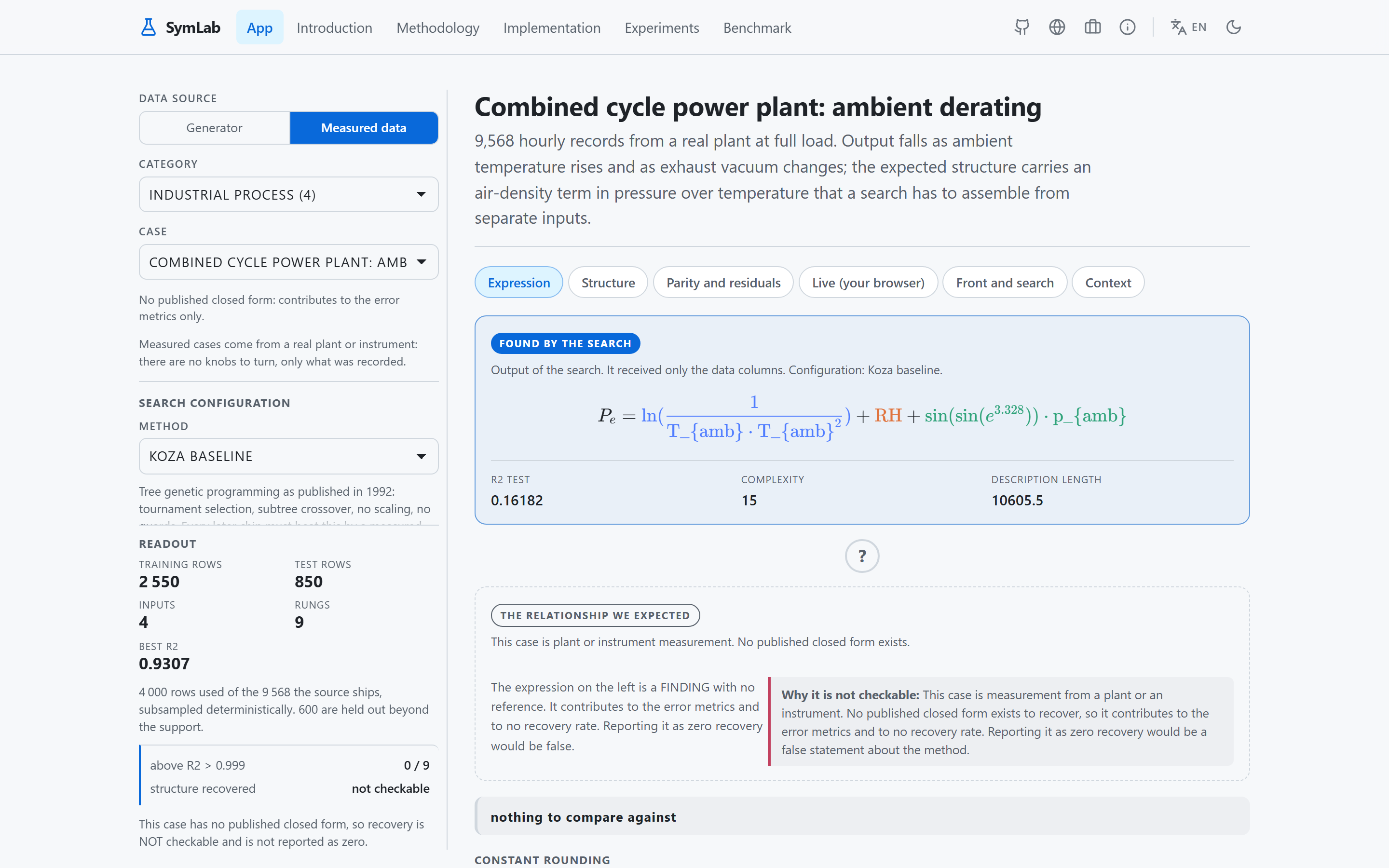
ImageLab — One Image Across Eleven Mathematical Representations

Published:

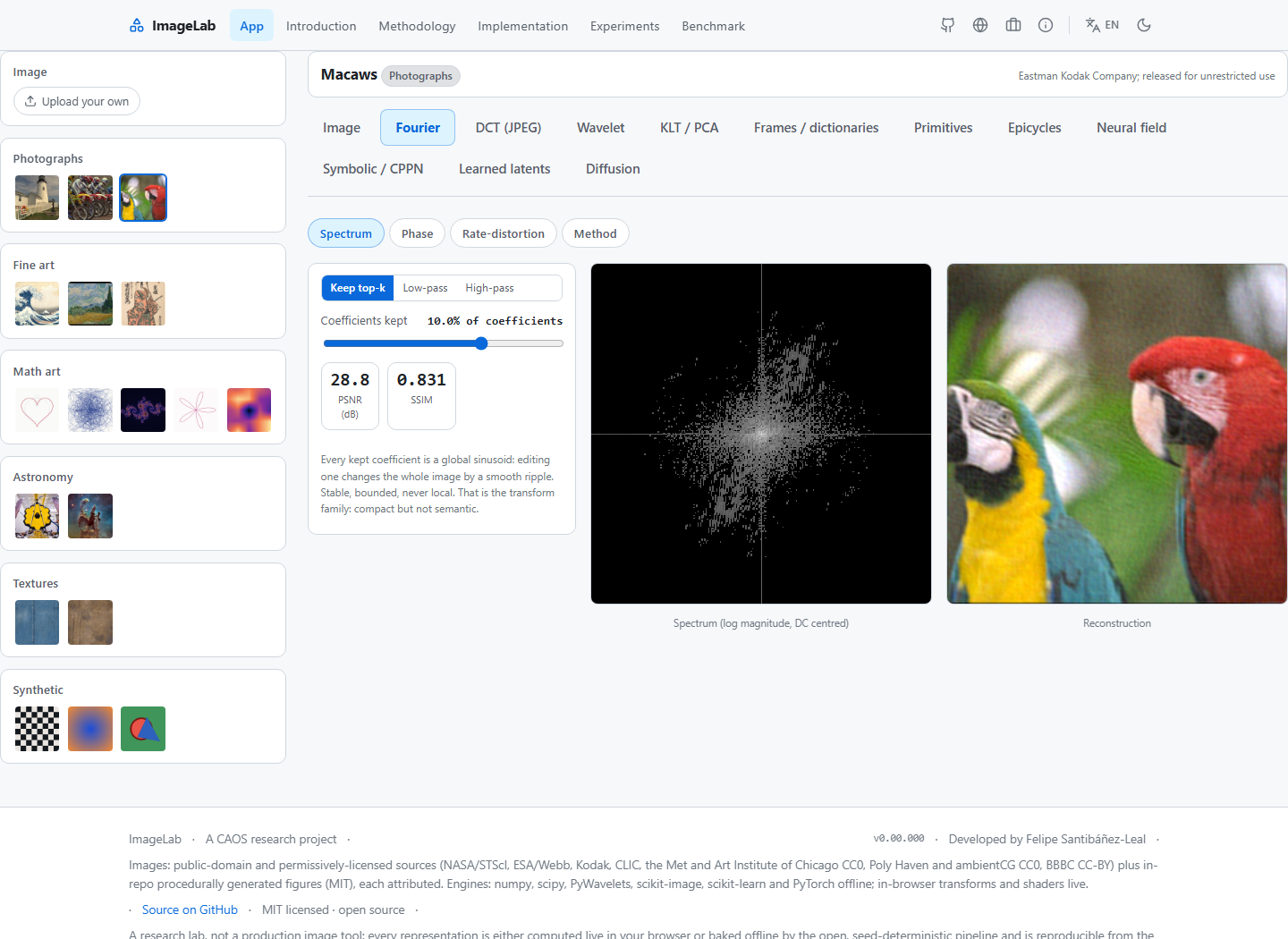
An interactive lab that writes one image across eleven mathematical representations — orthonormal transforms (Fourier/DCT/wavelet/KLT), overcomplete sparse dictionaries, geometric primitives, an implicit neural field (SIREN), symbolic CPPN formula art, Fourier-descriptor epicycles, and learned generative latents (VAE, diffusion) — and lets you edit each one’s parameters to see when a perturbation stays meaningful and when it collapses into noise. Computed live in WebGL2 or baked by a seed-deterministic Python pipeline.

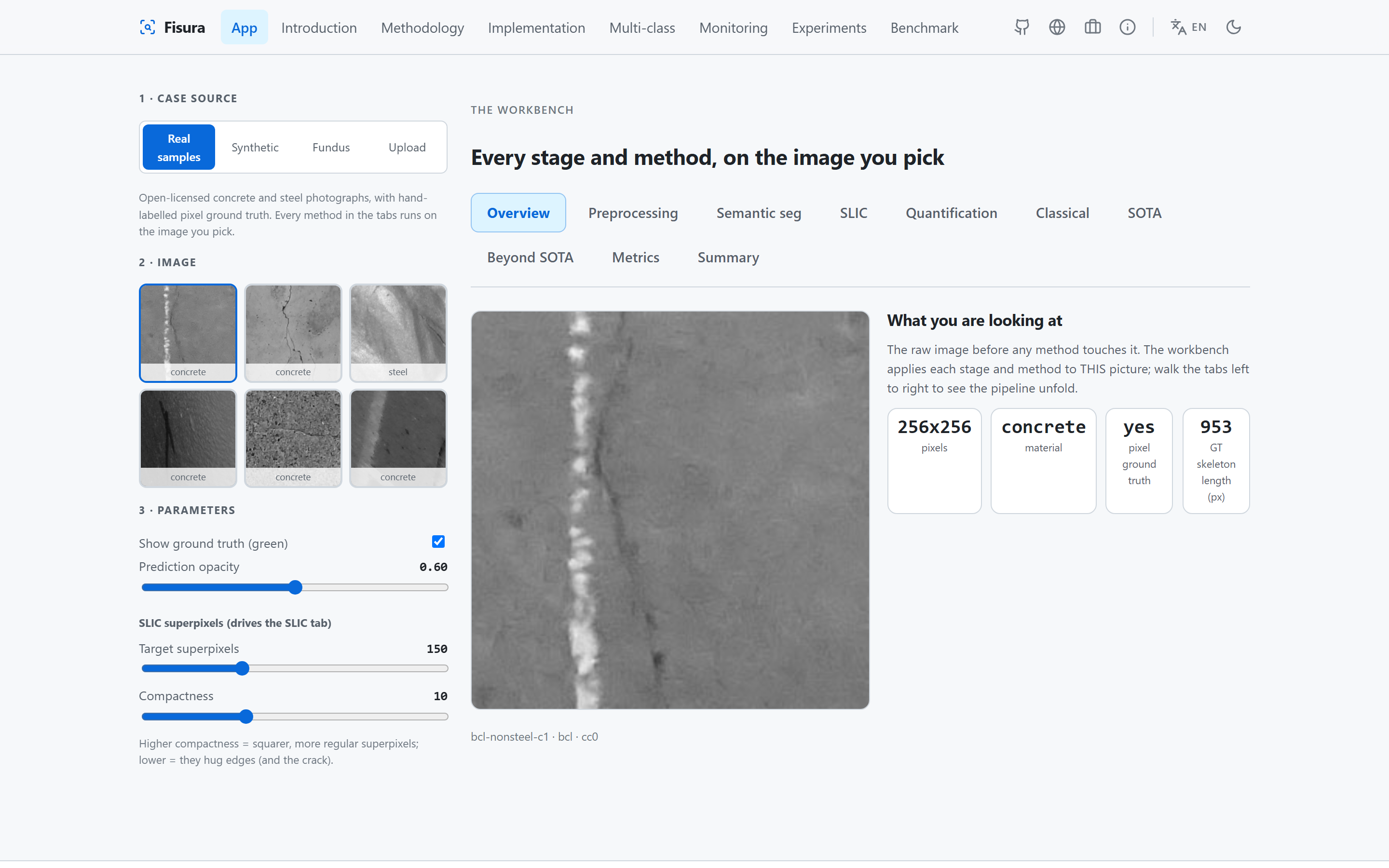
TailWatch — InSAR Ground-Deformation Studio for Tailings Dams & Slopes

Published:

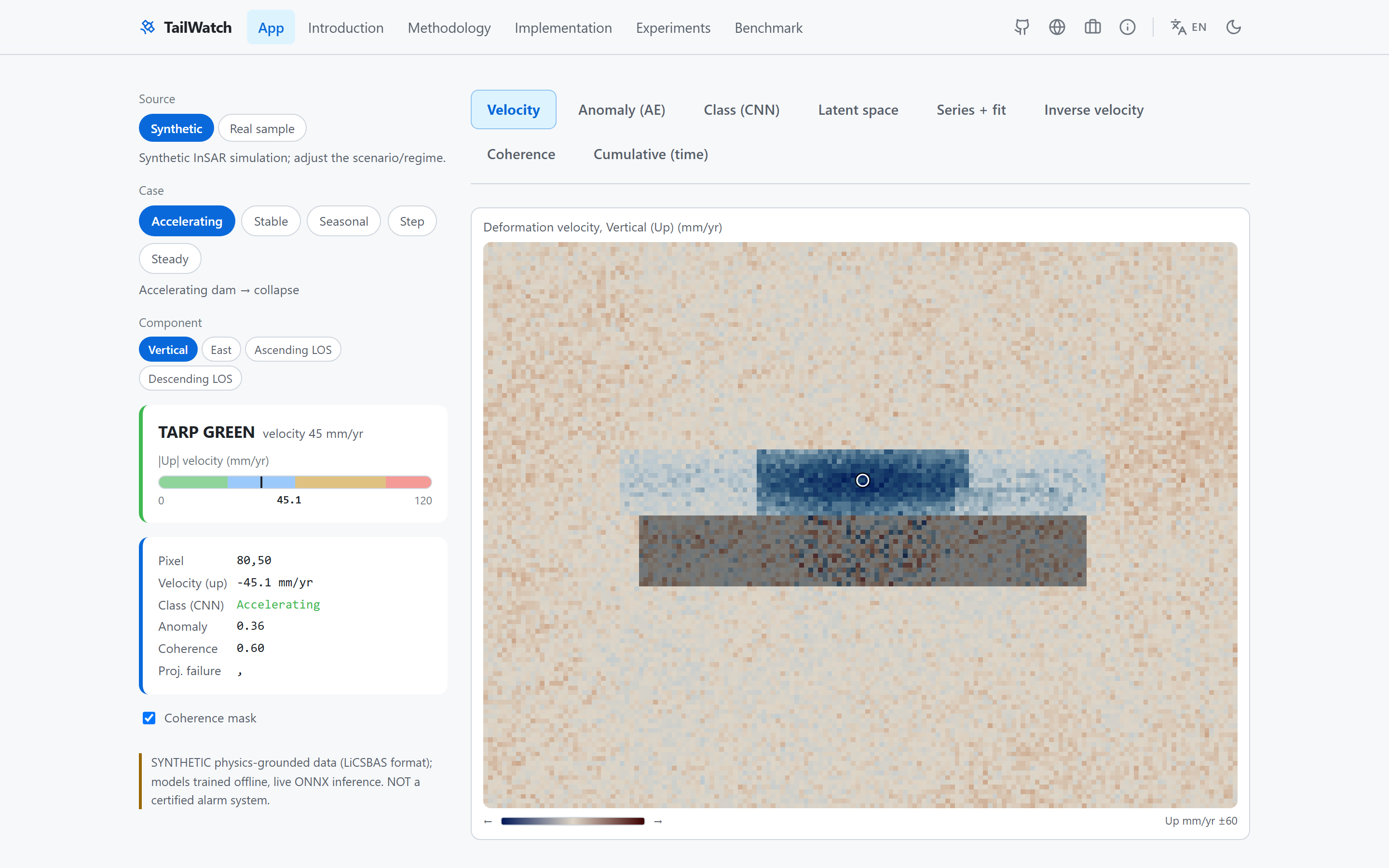
An in-browser InSAR ground-deformation studio for tailings dams and slopes: a multi-temporal line-of-sight displacement cube (velocity, coherence, cumulative series) with classical inverse-velocity failure forecasting plus two small neural nets. Five cases are physics-simulated from a forward model, one is a real Sentinel-1 sample. Honest by design: on the held-out benchmark the classical velocity map (AUC 0.968) beats the learned anomaly autoencoder (AUC 0.898), and the app says so.

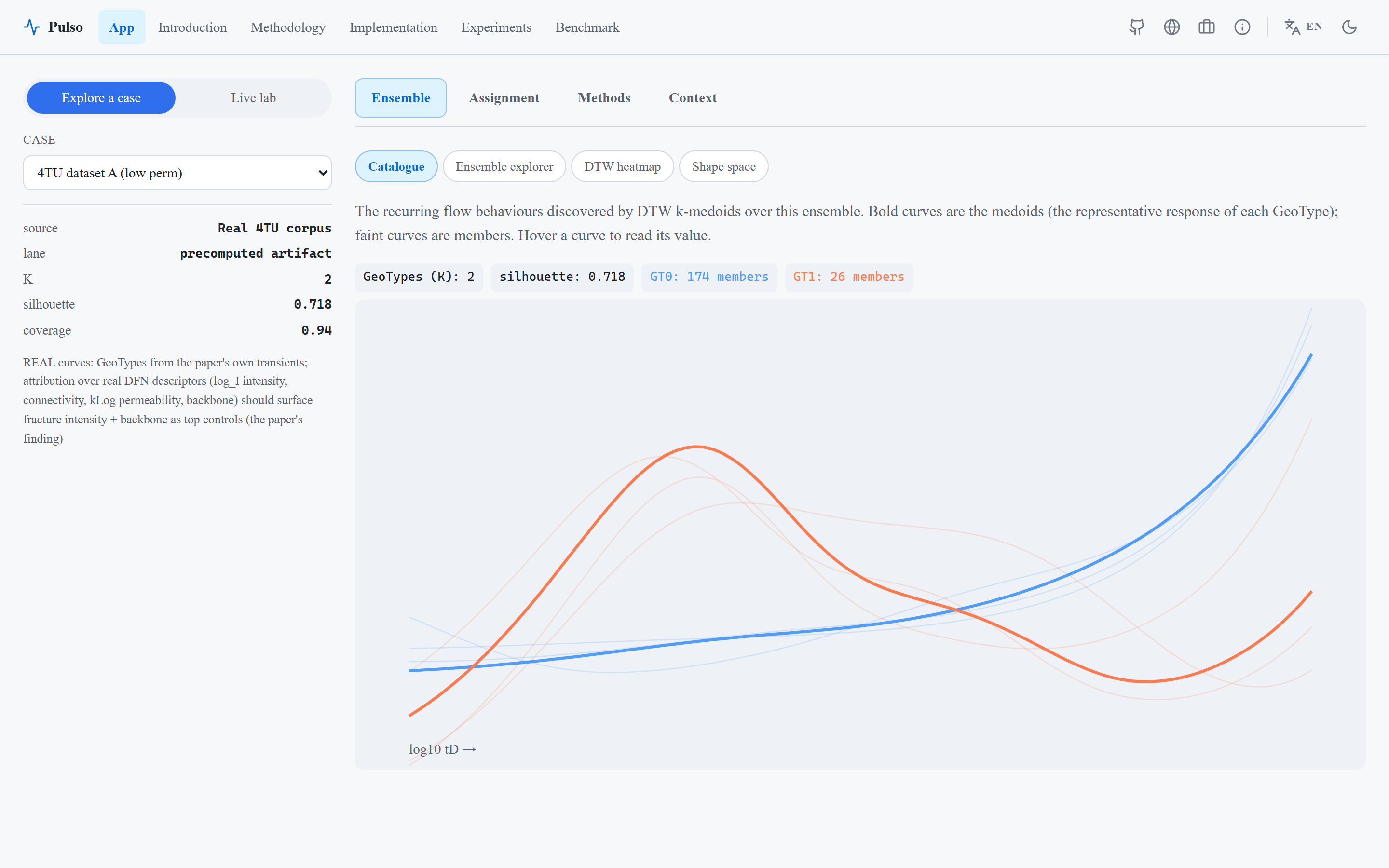
Pulso — Well-Test Diagnostic-Curve Shape Clustering and Attribution

Published:

An unsupervised catalogue of flow-behaviour classes (GeoTypes) for fractured reservoirs: it clusters the SHAPE of pressure-transient Bourdet-derivative curves with DTW k-medoids, attributes each class to the fracture-network descriptors that control it (Random Forest + SHAP), and ships a browser workbench that classifies a user curve against the baked medoids with conformal prediction. It reproduces and extends Kamel Targhi et al. 2026 (Comp. Geosciences 30, 57) on a real 4TU corpus (~4768 curves), then transfers the same shape diagnostic to two real aquifer pumping-test sites, with an explicit caveat that the shape transfers but the physics does not.

ProspectMap — Mineral Prospectivity Workbench with a Published Null Result

Published:

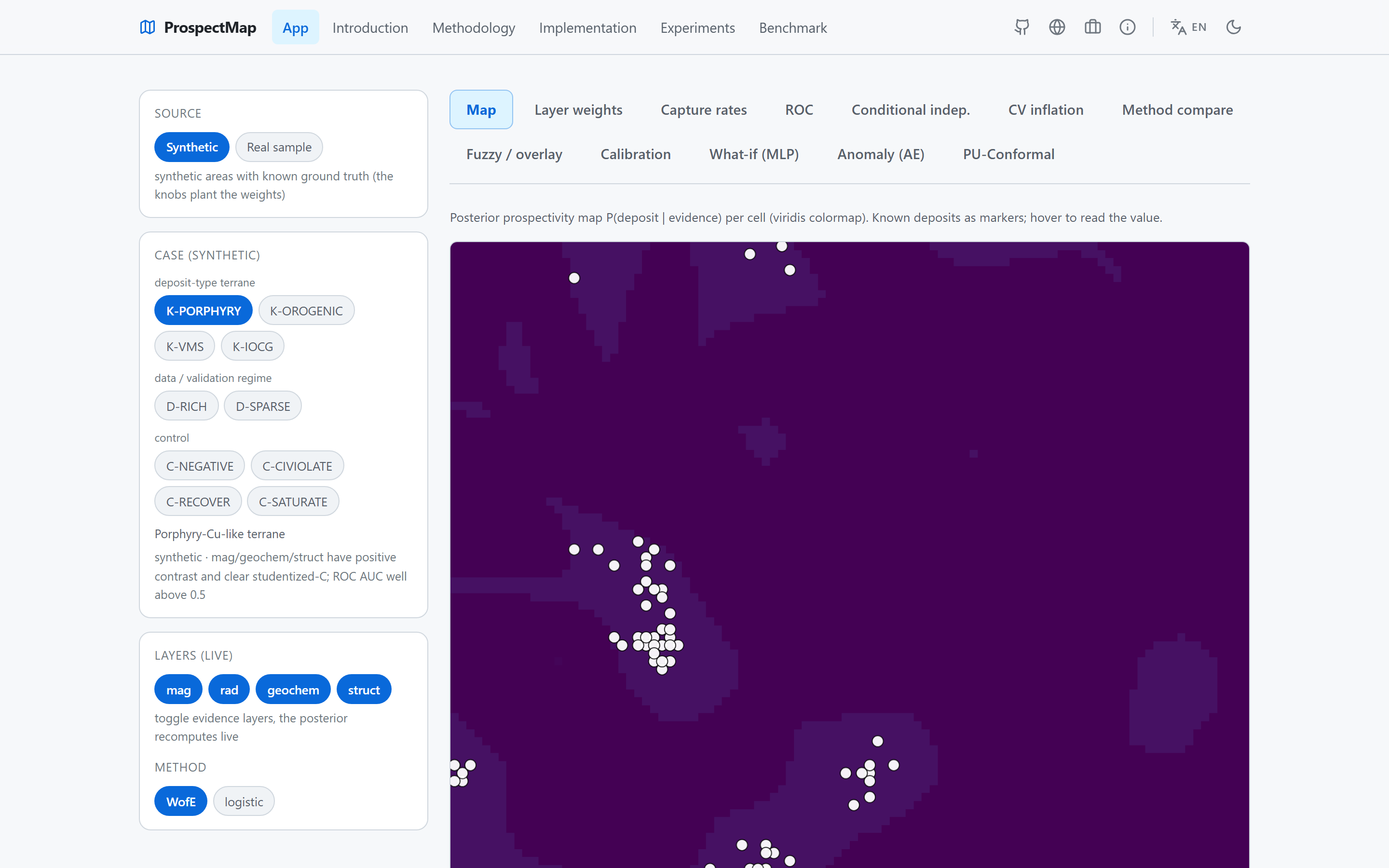
A mineral-prospectivity workbench that computes a Weights-of-Evidence posterior P(depositevidence) live in the browser over stacked geophysical, geochemical and structural layers, and whose real reason to exist is adversarial honesty. On real US Midcontinent MVT Zn-Pb belt data (Lawley et al. 2022, USGS public domain) it publishes a recorded null: the proposed PU-Conformal method loses to 1989-vintage Weights of Evidence, and a trivial distance-to-deposit baseline already ties the best learned model, so most apparent skill is spatial proximity, not learned geology.

PitForge — Exact Ultimate Pit Limit & Nested Whittle Pit-Shell Workbench

Published:

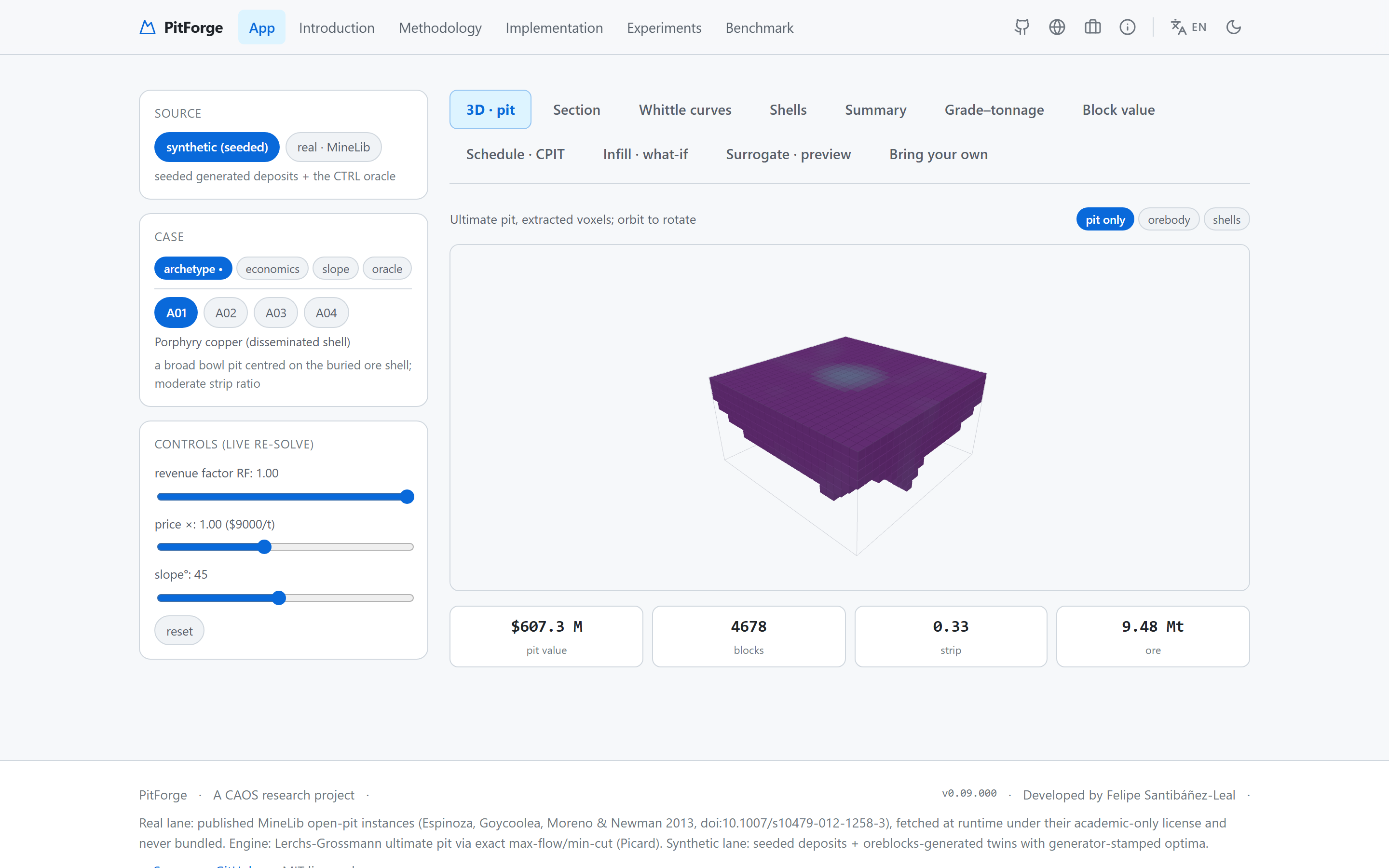
An open-pit mine-design workbench that solves the ultimate pit limit exactly, as a maximum-weight closure of the block-precedence graph reduced to a minimum cut on a Dinic max-flow engine, running live in the browser, and derives the nested Whittle pit shells by revenue factor. It reproduces the published optima of three real MineLib instances to at most 2e-9 relative error, and self-checks every solve with the max-flow duality identity. This is the only one of the Faena four whose headline is validated against third-party published optima rather than its own generator.

FragmentIQ — Post-Blast Muckpile Fragmentation Analysis Workbench

Published:

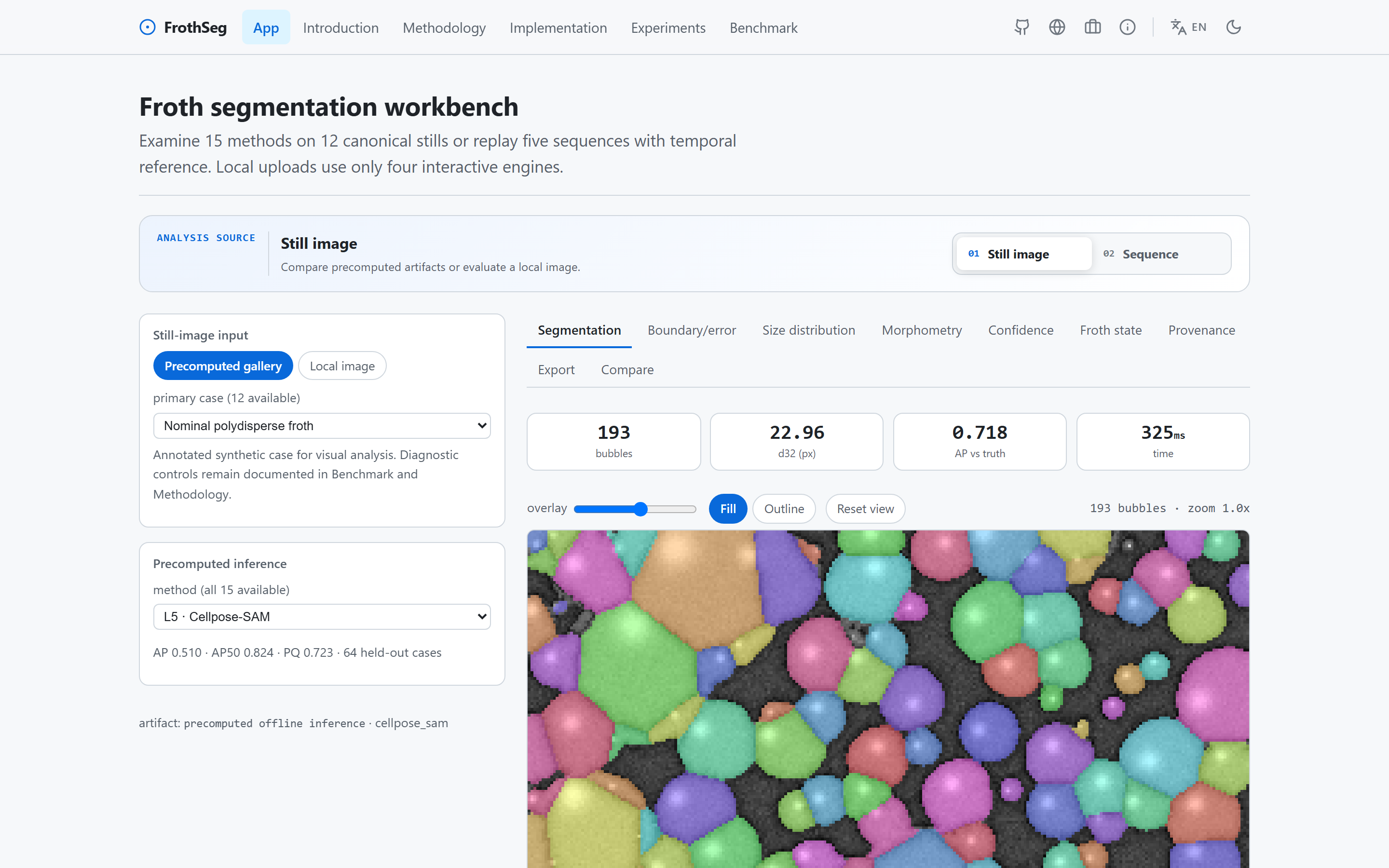
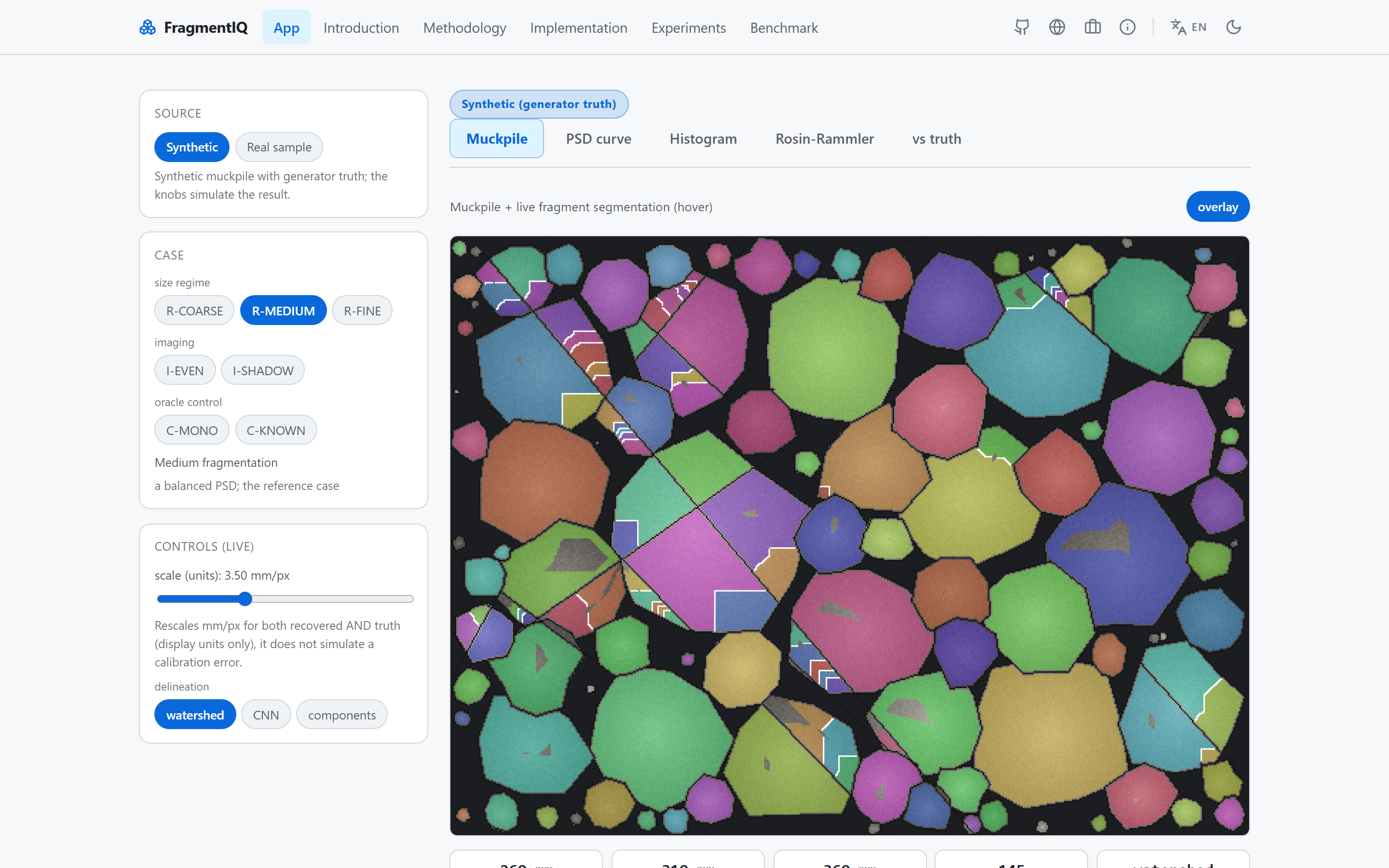
A post-blast fragmentation workbench that delineates muckpile fragments by watershed in the browser and derives a mass-weighted particle-size distribution with a Rosin-Rammler fit and P10/P50/P80. It is scored against generator truth on synthetic muckpiles, with a real-photo lane of 5 CC BY images from an Iranian iron-ore mine where every number is explicitly RELATIVE, because no sieve ground truth exists, the scale is unknown, and n is small. Honest by design: the over-segmentation bias is shown directly in the artifact (116 recovered vs 70 true fragments), and the learned refinement gain is reported as indicative, not significant, on n=8.

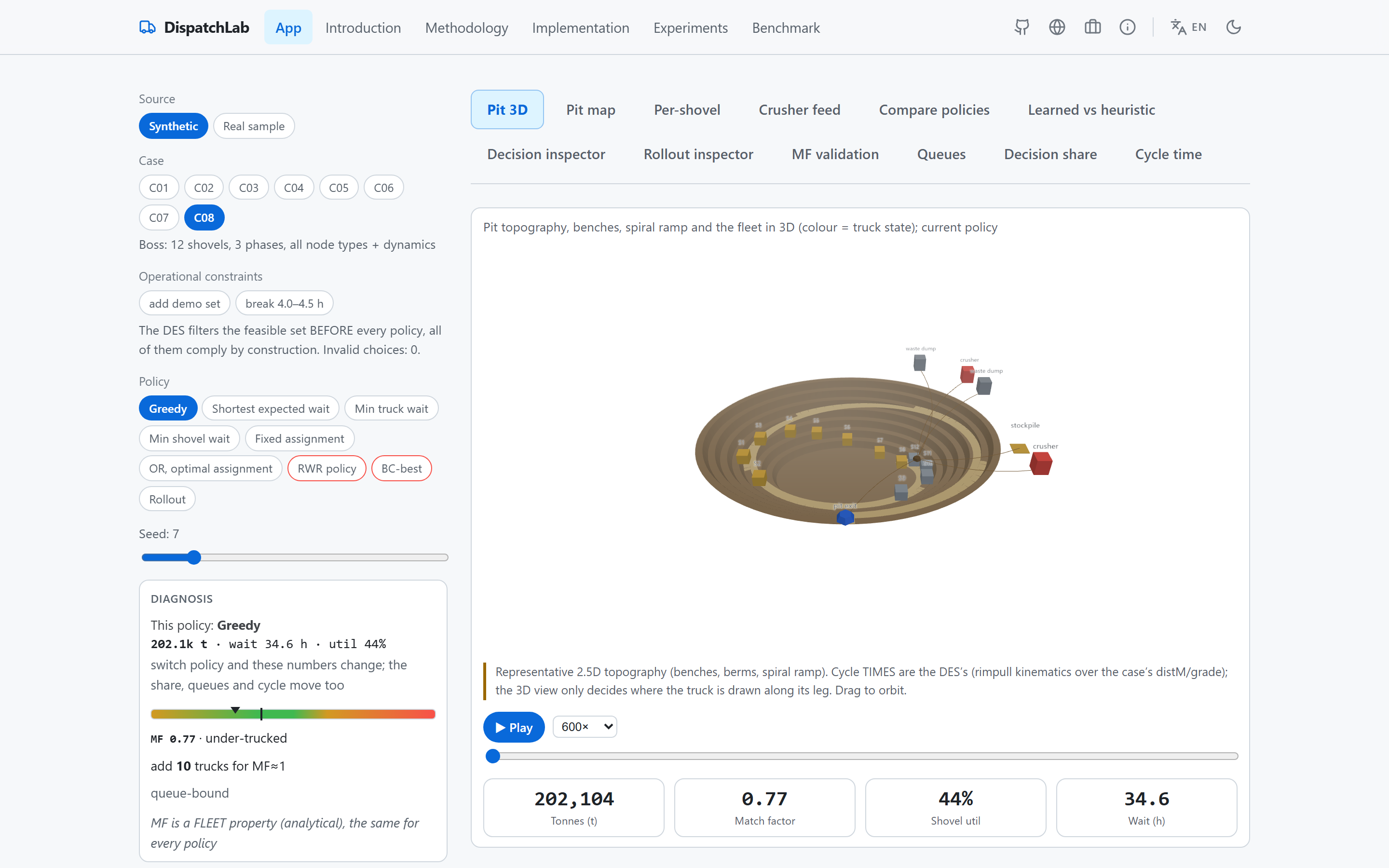
DispatchLab — Truck-to-Shovel Dispatch Bench for Open-Pit Mining

Published:

An in-browser truck-to-shovel dispatch bench: a deterministic discrete-event simulation of an open pit where you pick a case and a dispatch policy and watch tonnes, match factor and queues form. Nine policies (heuristic, OR-Hungarian, and learned) compete against a closed-form capacity oracle on identical stochastic conditions, over cases generated by minehaulsim, the author’s own Apache-2.0 PyPI package. Honest by design: the distilled Monte-Carlo rollout is a published null result, winning 0 of 8 seeds under cycle-time uncertainty.

Croquis — On-Device 3D Reconstruction of Real Spaces on Android

Published:

An Android app that turns a walk-through (camera, IMU and GPS, no lidar) into a metric, consistency-gated point-cloud reconstruction computed fully on the phone, stored on the phone as a scene library with an honest uncertainty budget. Imagery never leaves the device. In development (v0), Apache-2.0.

CoreLog Vision — Drill-Core Logging & Lithology Classification Workbench

Published:

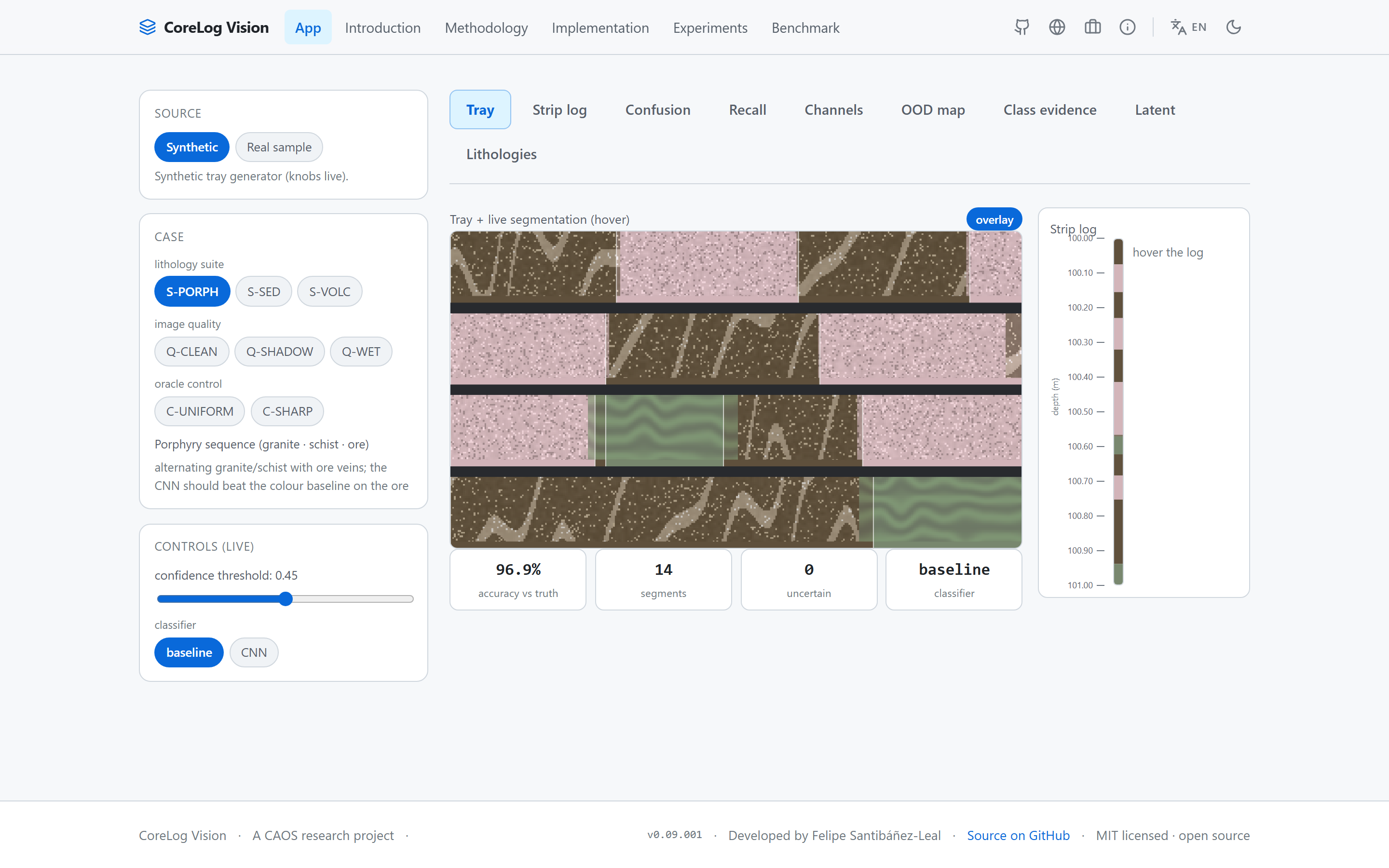
A browser-native drill-core logging workbench: it classifies sliding windows along core-tray channels into six lithologies with a CNN, merges adjacent same-class patches into a depth-stitched strip log with confidence shading, and flags out-of-distribution core with a Mahalanobis detector instead of forcing a class. It runs on procedurally synthetic trays, with a real-photo lane (DCID) used strictly as the out-of-distribution and real-head evaluation set. Honest by design: the CNN accuracy is synthetic-vs-synthetic, a label-permutation control collapses to chance, and the shipped detector is named for what it is.

ChronoScope — Univariate Forecasting Atlas with a Foundation-Model Tier

Published:

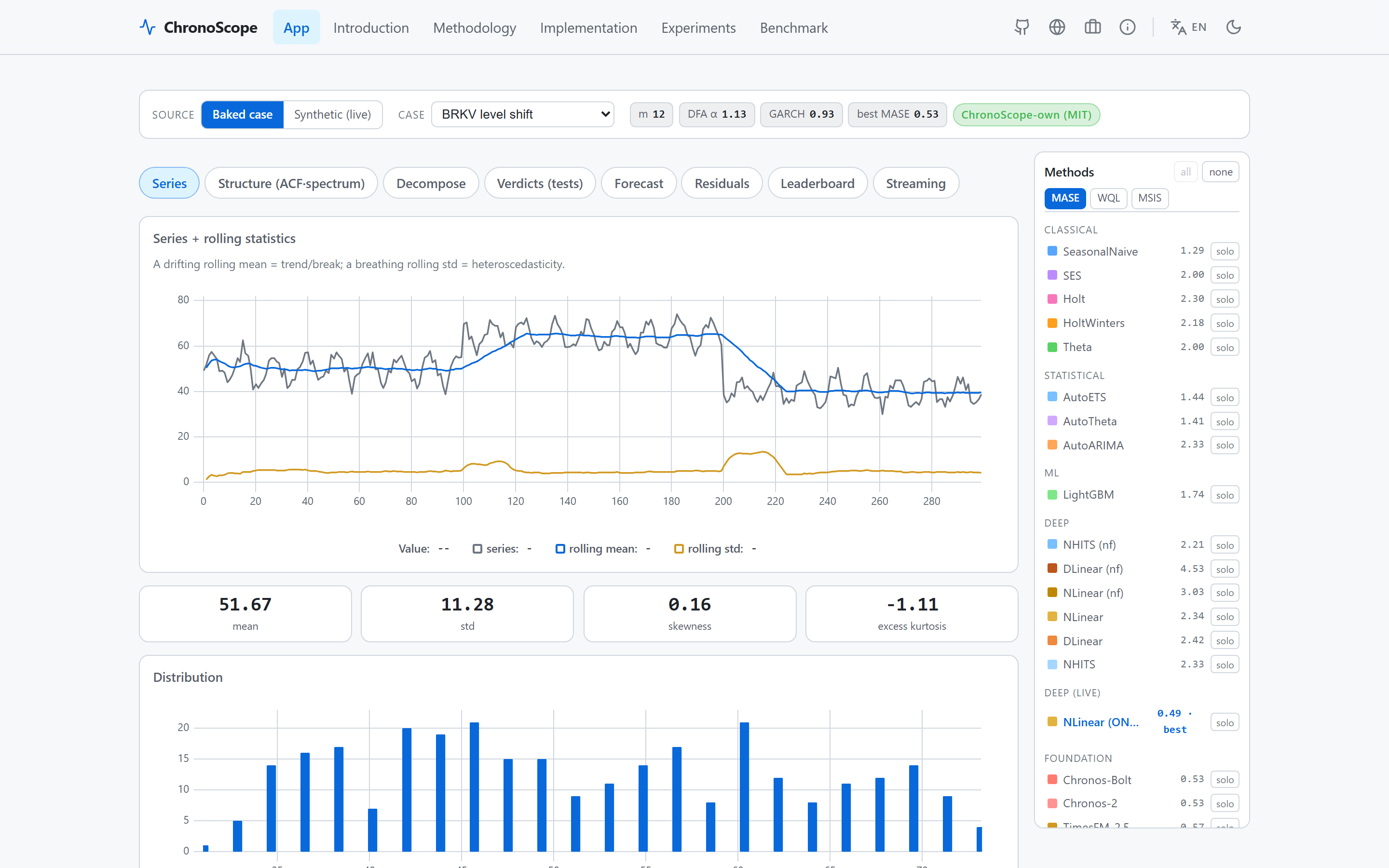
A univariate time-series forecasting atlas: 15 diagnostic cases (4 real licensed + 11 seeded synthetic), each run through the same 19-method ladder with backtested MASE/sMAPE/coverage, from classical baselines up to four zero-shot foundation models (Chronos-Bolt, Chronos-2, TimesFM-2.5, TiRex-2). Baked offline, replayed in a static SPA, with a Pyodide numpy live lane.

ChancaDEM — Crusher-Comminution Studio (Population-Balance Engine)

Published:

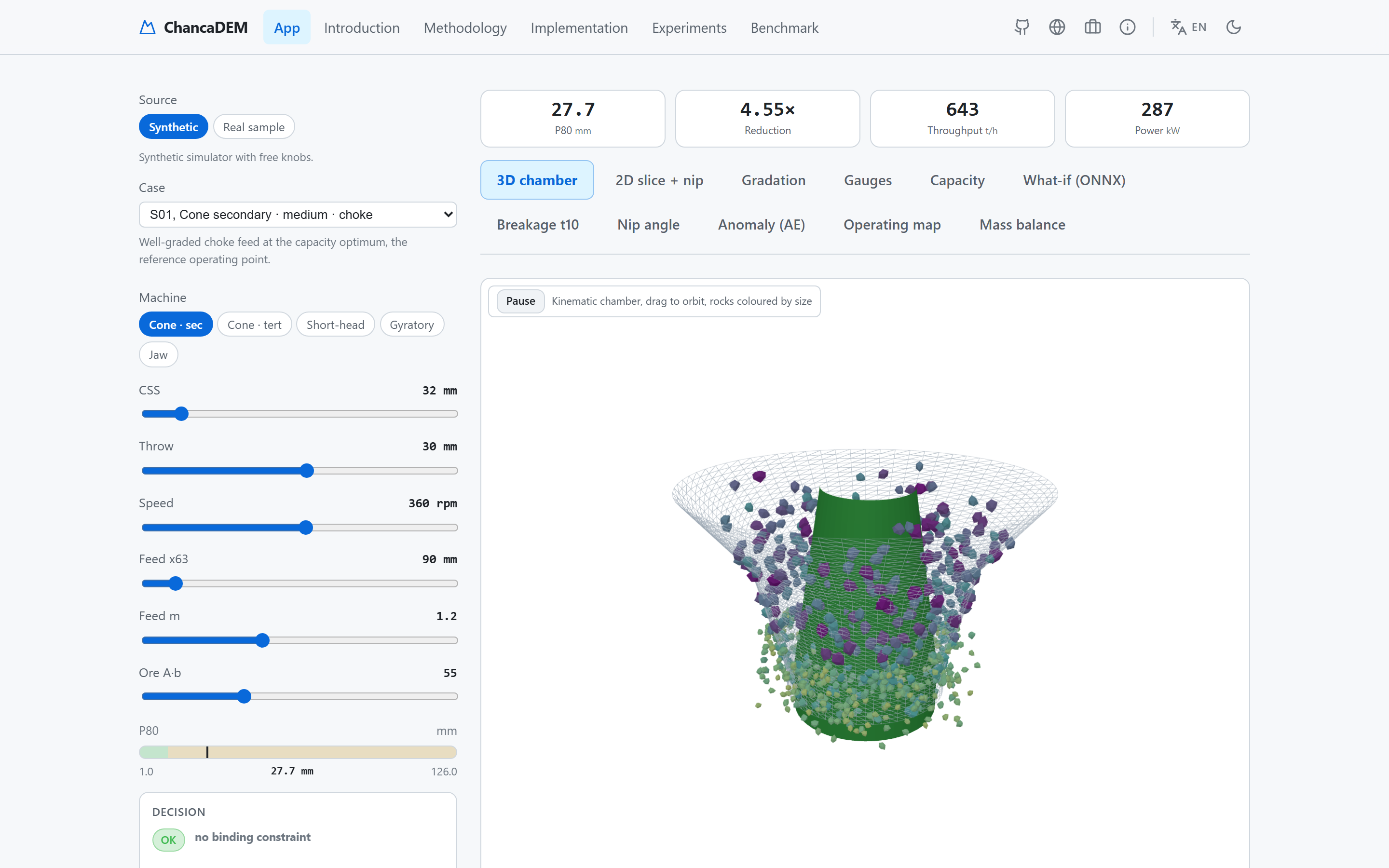
An in-browser crusher-comminution studio: you set the machine, closed-side setting, eccentric throw and speed and the feed gradation, and a pure-TypeScript closed-form engine (Whiten population balance + Evertsson capacity + Bond power) computes the product gradation, throughput and power in sub-millisecond. Despite the name it does NOT run DEM: the 3D chamber is a kinematic animation. The secondary-cone lane is calibrated against 10 published HP500 surveys (Rocha et al. 2024), with a leave-one-out cross-validation that includes negative controls.

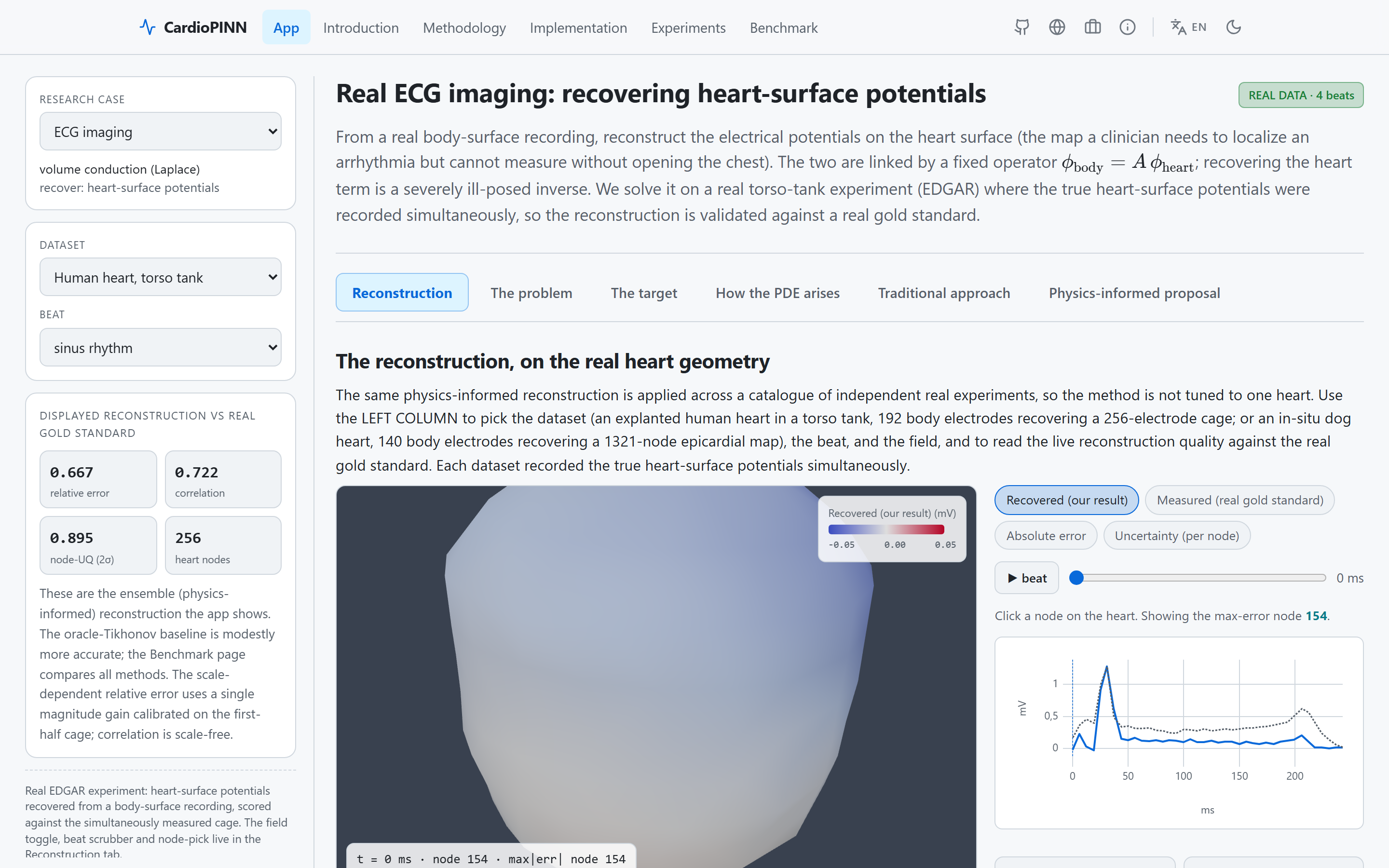
CardioPINN — Physics-Informed Cardiac Inverse-Problem Lab

Published:

A two-case lab in physics-informed cardiac reconstruction on 100% real measured data, scoped as a complement to classical methods, not a replacement: calibrated per-node uncertainty (2-sigma ~0.90) and a resolved aortic relative-pressure field, outputs the classical estimate cannot give, at point-accuracy parity with Tikhonov (stated in-app).

ADRA — Adversarial Dev Review Agent

Published:

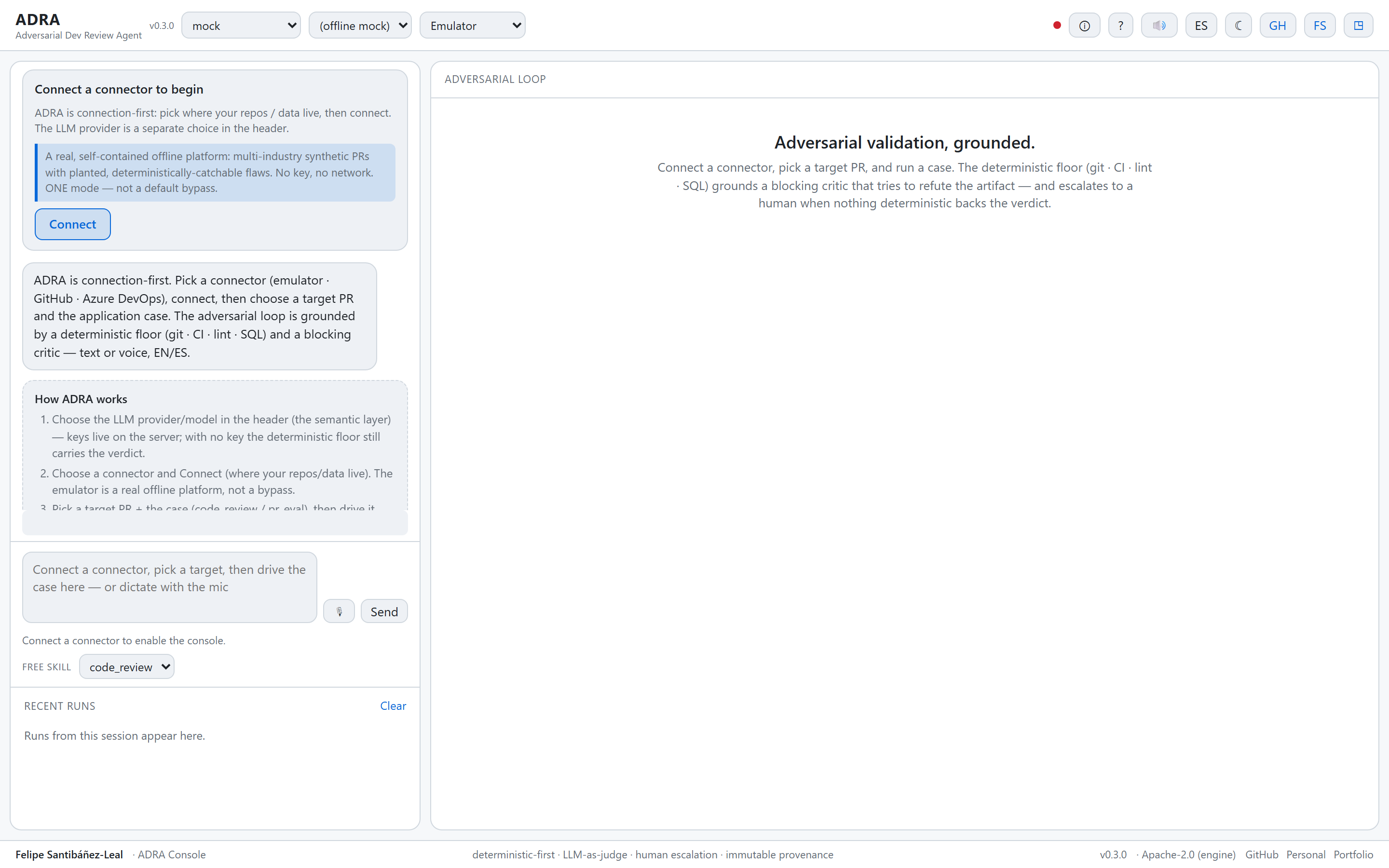
A deterministic-first, adversarial-validation engine for the software lifecycle: deterministic tools run first and become grounding the model may not contradict, a blocking critic tries to refute each artifact instead of blessing it, and the loop escalates to a human where nothing deterministic backs the verdict. Live console, offline-capable, published on PyPI as adra.

MineHaul — Mine-Haulage Discrete-Event Simulation

Published:

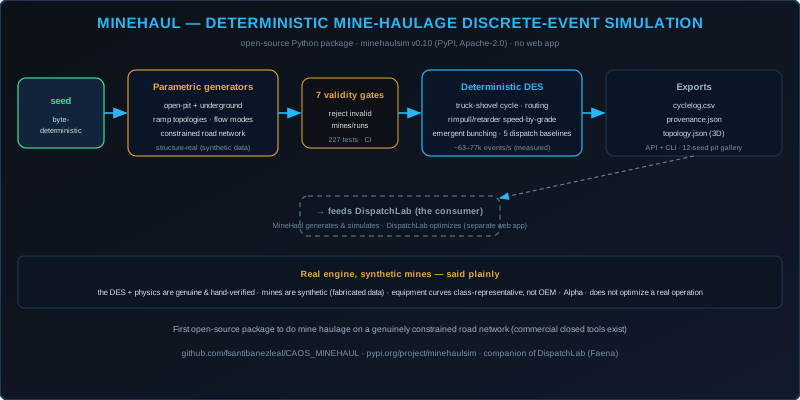
An open-source Python package (minehaulsim) for deterministic discrete-event simulation of open-pit and underground mine haulage on constrained road networks, with seeded parametric mine generators. Byte-deterministic, numpy-only, well-tested — the companion generator that feeds structure-real scenarios to DispatchLab.

Lidar3D — Streaming 3D Reconstruction Lab

Published:

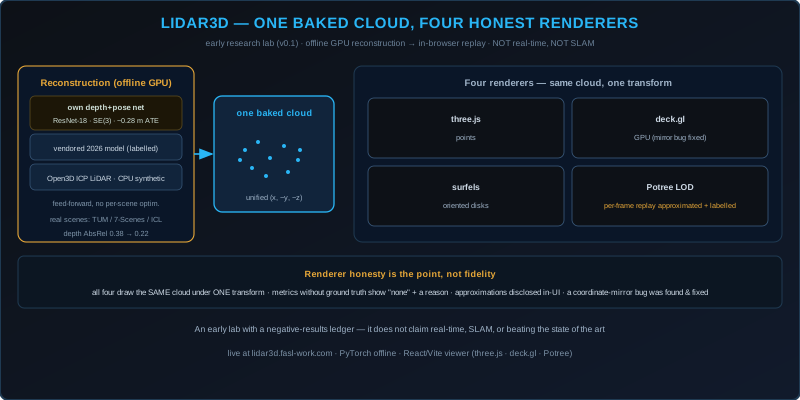
An early research lab for feed-forward streaming 3D reconstruction: an ordered RGB or LiDAR stream becomes a camera trajectory, dense metric depth and a fused colored point cloud. The heavy engine runs offline on a GPU; the site replays the baked cloud across four renderers under one unified transform — with a strict renderer-honesty discipline as the point.
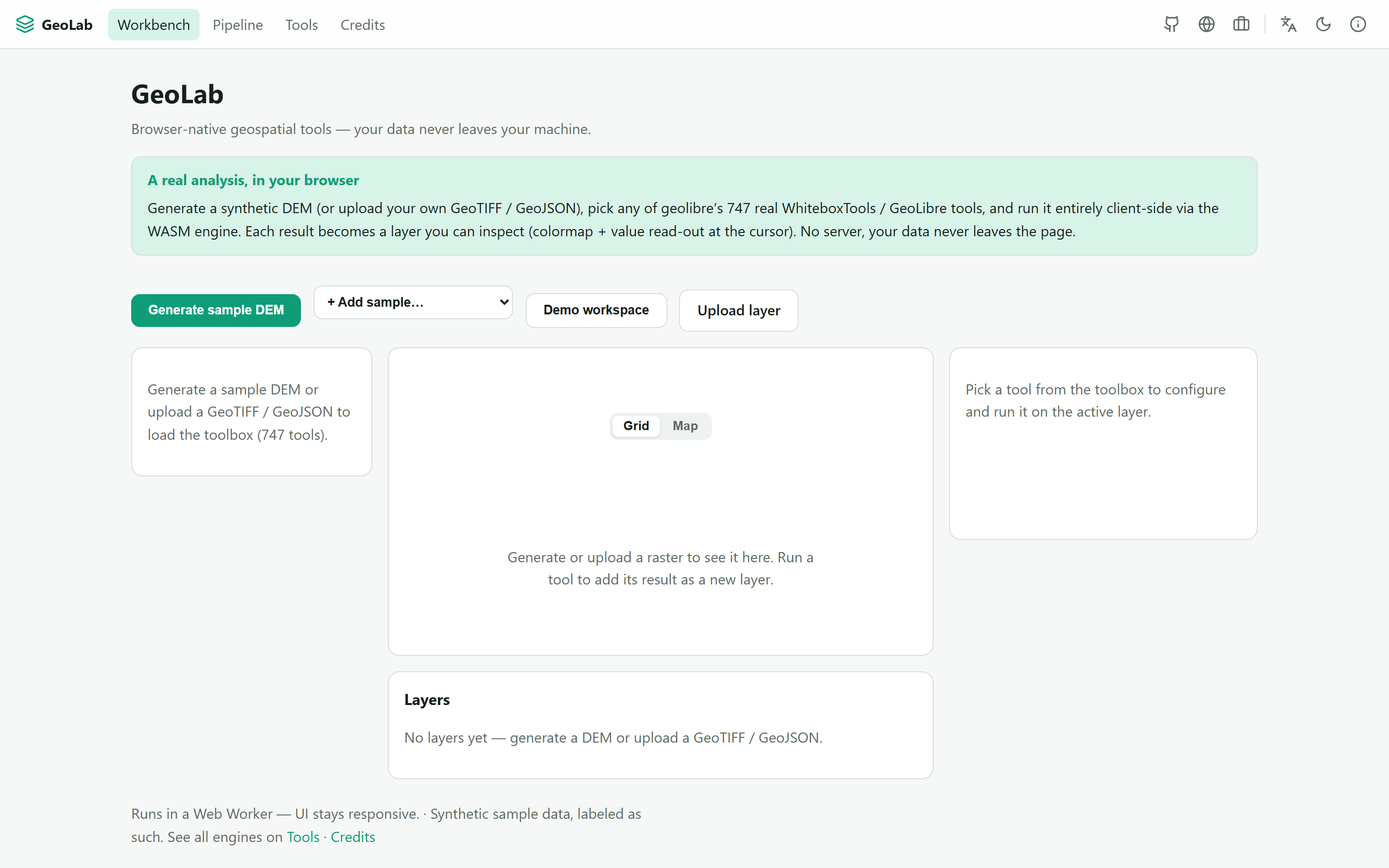
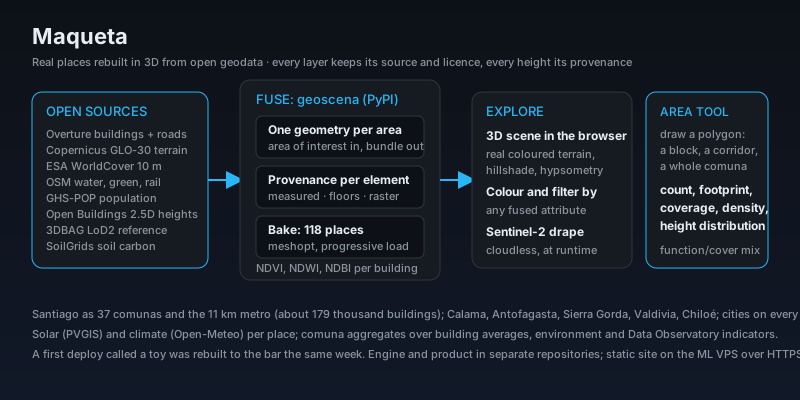
Atalaya — A Watchtower over Chile’s Open Data

Published:

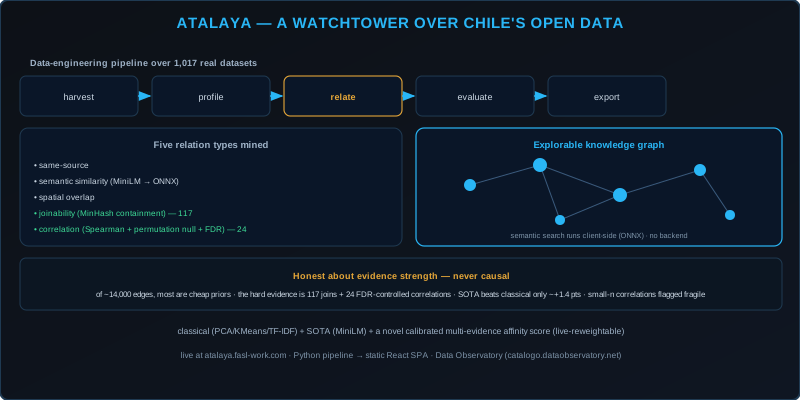
Atalaya harvests Chile’s Data Observatory open catalog, profiles every downloadable table, and mines five kinds of cross-dataset relation — same-source, semantic similarity, spatial overlap, joinability and statistical correlation — into an explorable knowledge graph, with client-side semantic search. Honest about evidence strength, never causal.

CutoffGrade Studio — Lane’s Optimal Cut-off Grade

Published:

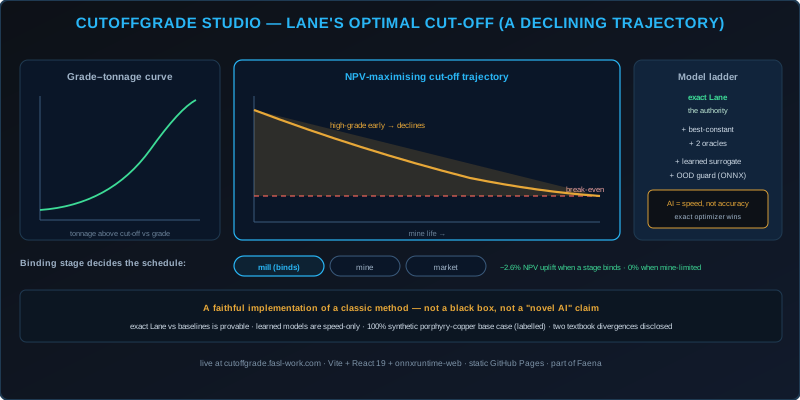
An open, explainable studio for Lane’s optimal cut-off grade: feed a grade-tonnage curve plus prices, costs and three stage capacities, and it computes the NPV-maximising declining cut-off trajectory, NPV, mine life and cashflow — live in the browser, with the exact algorithm as the authority and a learned surrogate only for speed.

RotorVitals — Rotating-Machinery Condition Monitoring & Prognostics

Published:

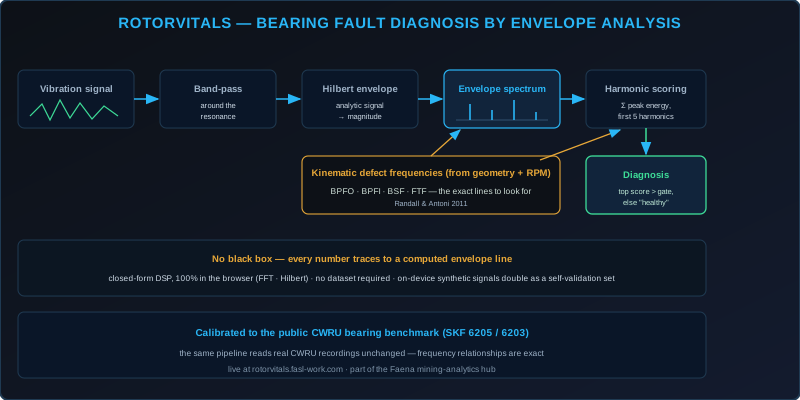
An in-browser condition-monitoring and prognostics workbench for rotating machinery (bearings-first), on real measured vibration. A source selector switches between a synthetic generator, real diagnosis segments (CWRU / Ottawa order-tracked / MaFaulDa) and real run-to-failure trajectories (FEMTO / XJTU / IMS); classical DSP, a learned WDCNN + autoencoder, and a four-model RUL ladder run live via onnxruntime-web.

Faena — Mining-Analytics Hub

Published:

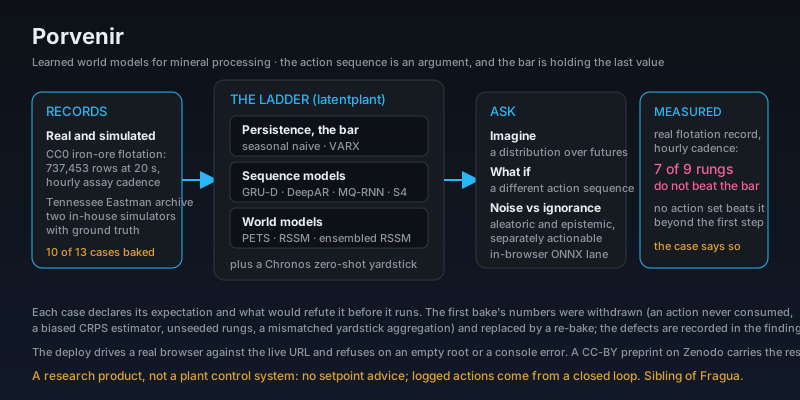
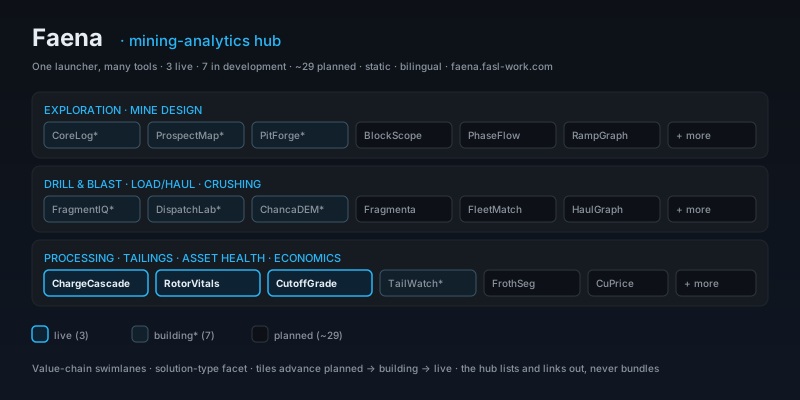
A single open launcher that catalogues a growing set of independent, in-browser mining-analytics tools across the value chain. Each tool is its own documented product on a named real dataset or a validated synthetic. Three live today, seven in active development, and more on a visible roadmap.

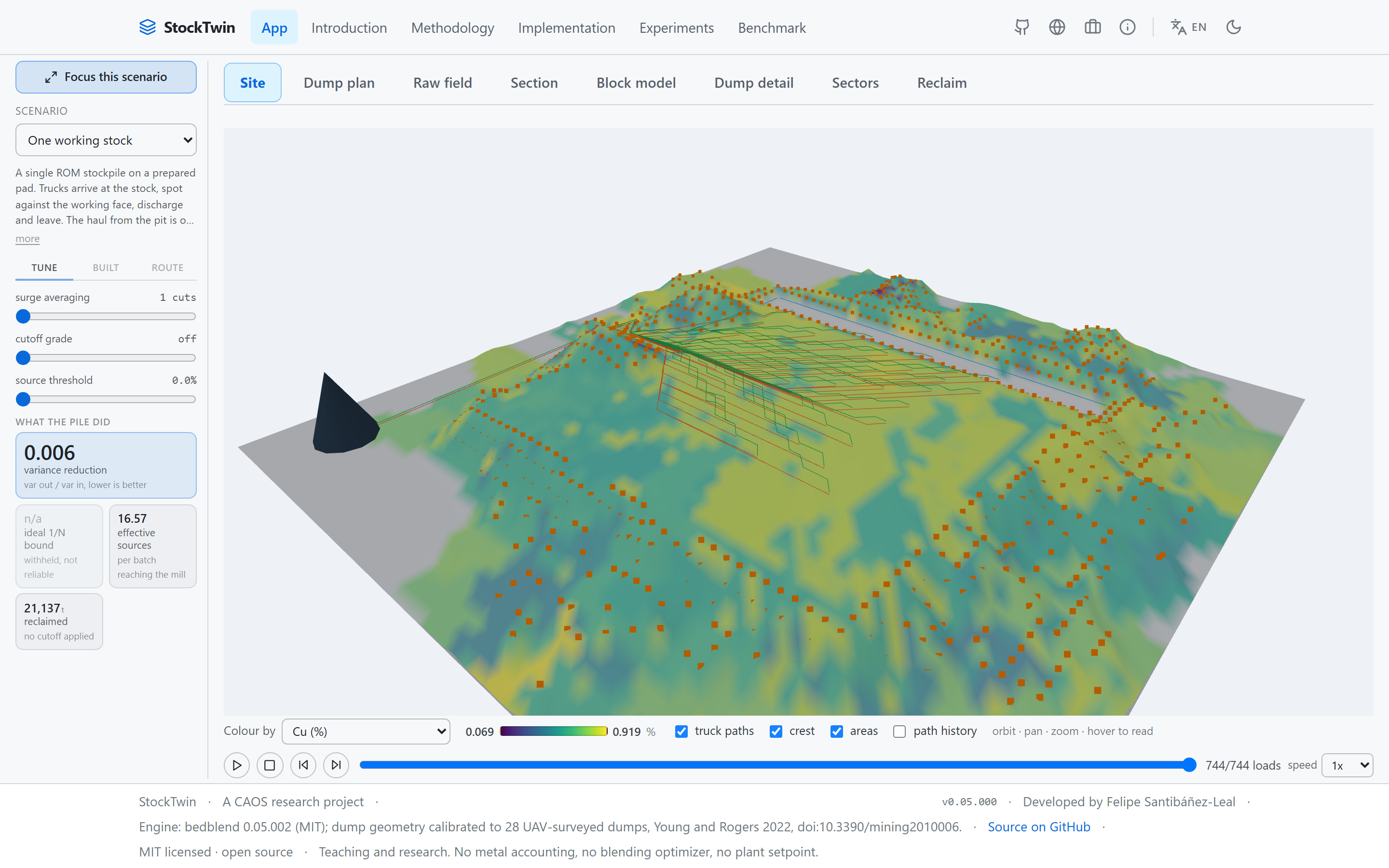
ChargeCascade — Tumbling-Mill Charge Motion & Power Studio

Published:

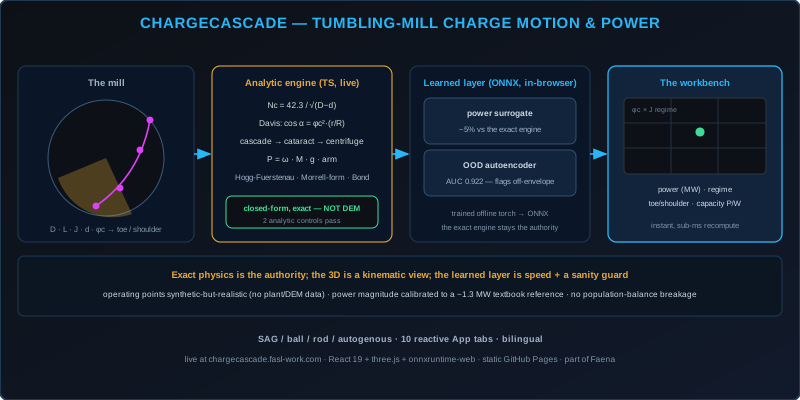
A live in-browser 3D studio for tumbling-mill (SAG / ball / rod) charge motion and power: critical speed, the cascading → cataracting → centrifuging transition, toe/shoulder, and Hogg-Fuerstenau / Morrell / Bond power — closed-form physics recomputed on every slider, with a trained ONNX power surrogate and an out-of-envelope anomaly guard.

QLab — Quantum Laboratory

Published:

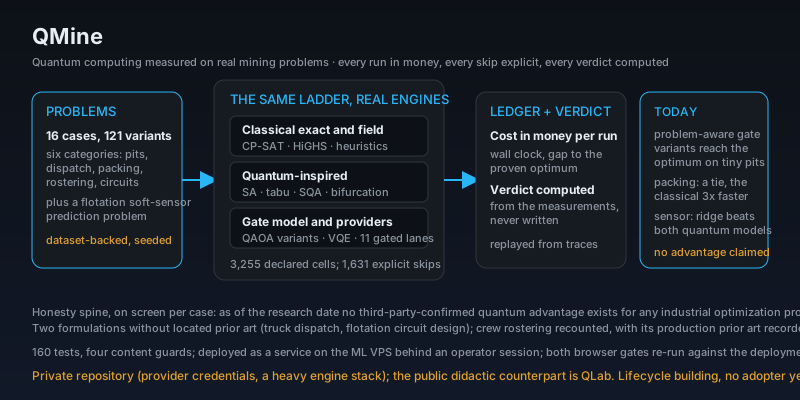
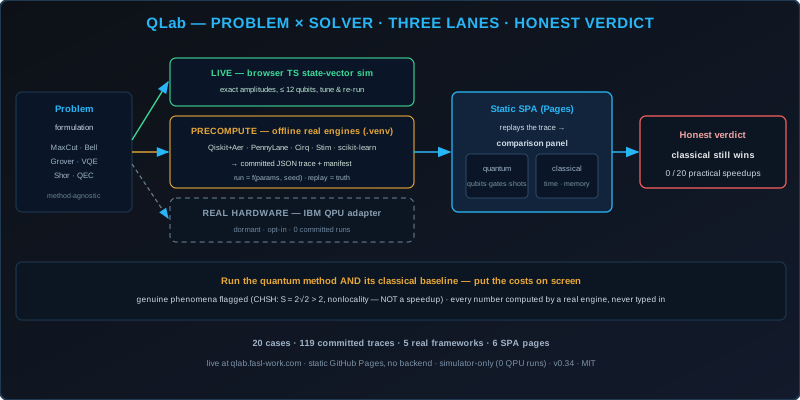
A public, didactic quantum-computing lab that runs real frameworks (Qiskit, PennyLane, Cirq, Stim) on 20 worked cases and puts every quantum method next to its classical baseline — and honestly shows that at lab scale, classical still wins.

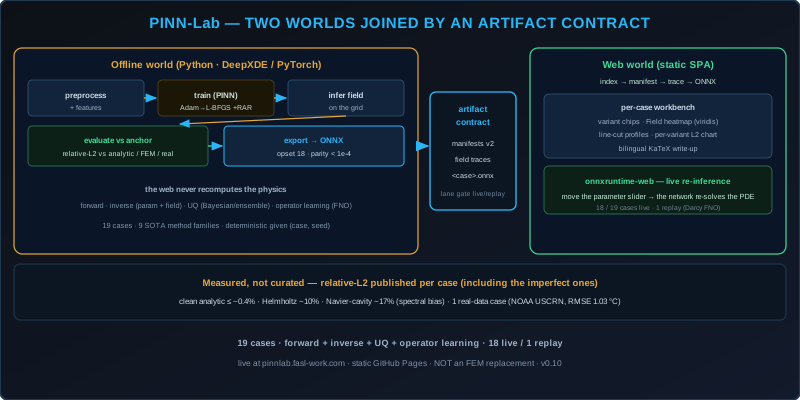
PINN-Lab — A Runnable Catalogue of Physics-Informed Neural Networks

Published:

A live catalogue of 19 Physics-Informed Neural Network cases — each trained offline (DeepXDE → ONNX), validated against an analytic, benchmark, or real-data anchor, and re-inferred live in the browser: move a physical parameter and watch the trained network re-solve the PDE.

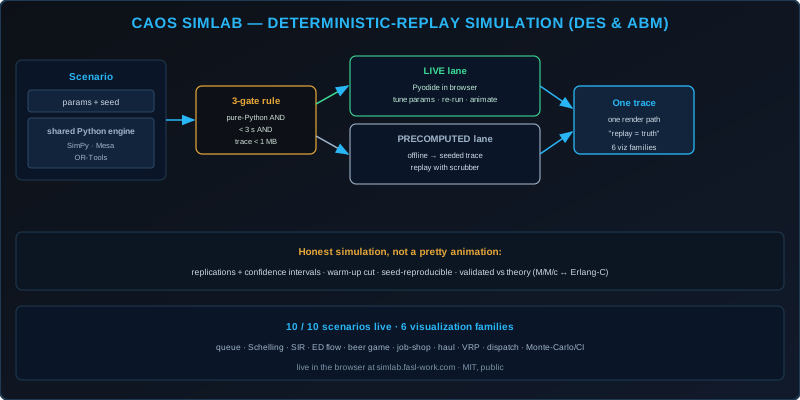
CAOS SimLab — A Didactic Lab for Simulation (DES & ABM)

Published:

Land straight in a running simulation, move the sliders, and watch the dynamics change. An open lab for Discrete-Event Simulation and Agent-Based Modeling — ten worked scenarios, each a pure function of (params, seed) so replay is exact.
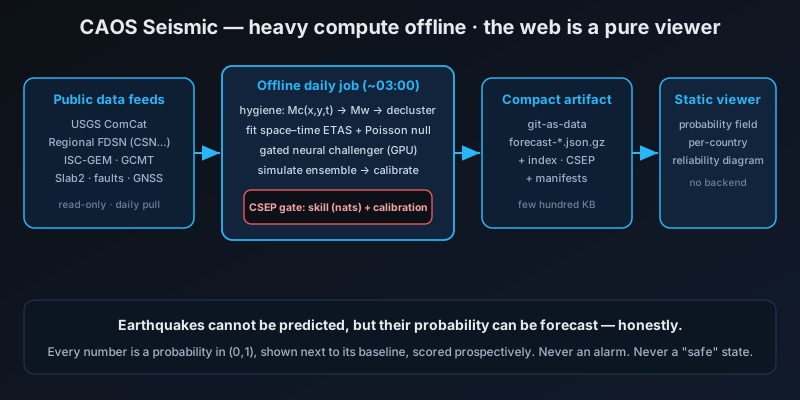
CAOS Seismic — Honest Probabilistic Earthquake Forecasting

Published:

Earthquakes cannot be predicted, but their probability can be forecast — honestly. A daily, calibrated, conditional probability of seismic events over 1/2/7-day horizons, shown next to its baseline and scored prospectively against reality.
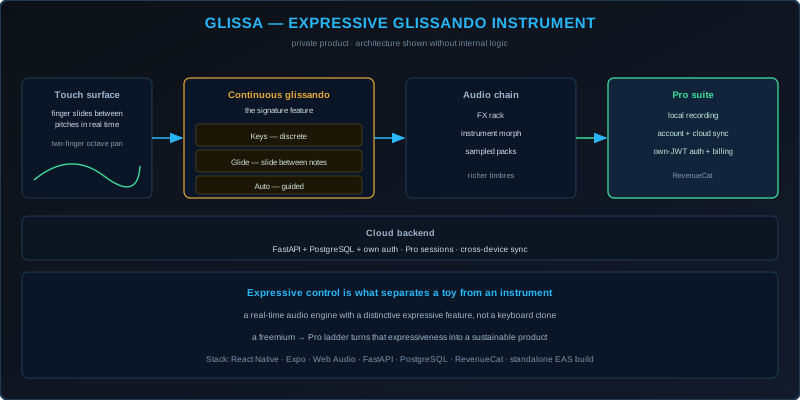
Glissa — Expressive Glissando Instrument

Published:

A private mobile musical instrument whose signature is continuous glissando — slide smoothly between notes — backed by an FX rack, instrument morphing, sampled packs, and a Pro tier with cloud sync.

Ronquy — On-Device Snore Detection

Published:

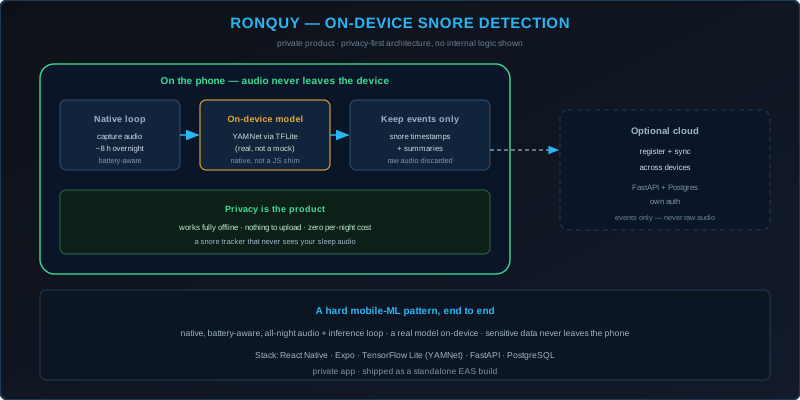
A private mobile app that detects snoring on-device, overnight, with no audio ever leaving the phone — a YAMNet + TFLite model runs an 8-hour native audio-and-inference loop locally.

Mantia — Anonymized Hub of Agentic Tools for SAP Plant Maintenance

Published:

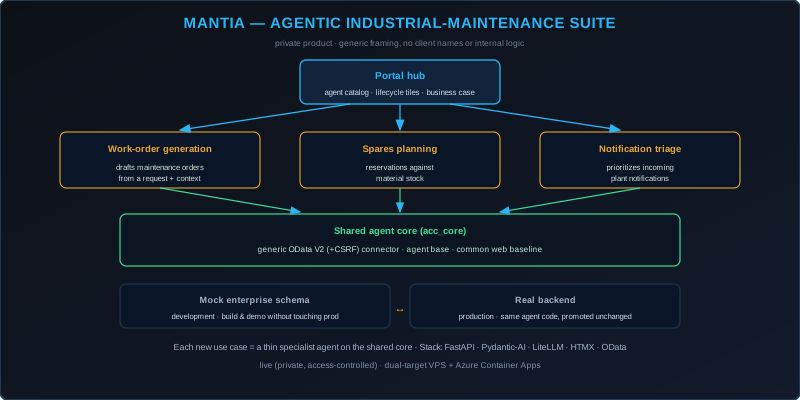
An anonymized hub cataloguing a family of agentic tools oriented to SAP Plant Maintenance (PM): work-order generation, spares planning, notification triage, scheduling and more, on one shared agent core with a mock-or-real connector. Delivered under confidentiality, general description only.

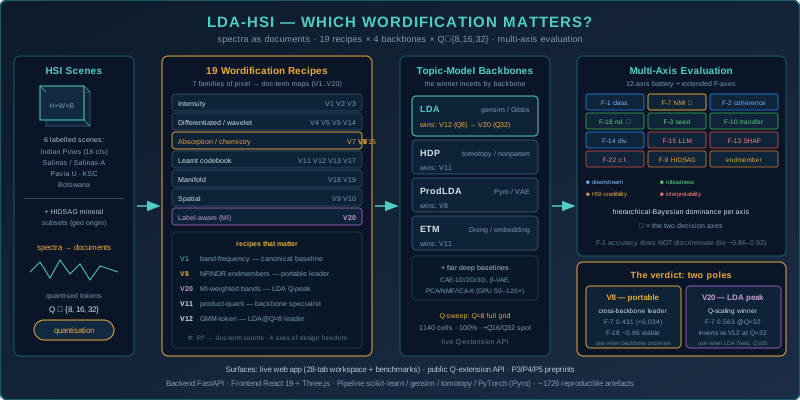
LDA-HSI — Wordification Design-Space Platform

Published:

A research platform that asks which representation a hyperspectral topic model should see: 19 wordification recipes × 4 topic-model backbones × Q∈{8,16,32}, scored on a 12-axis battery, with a live web app and API.

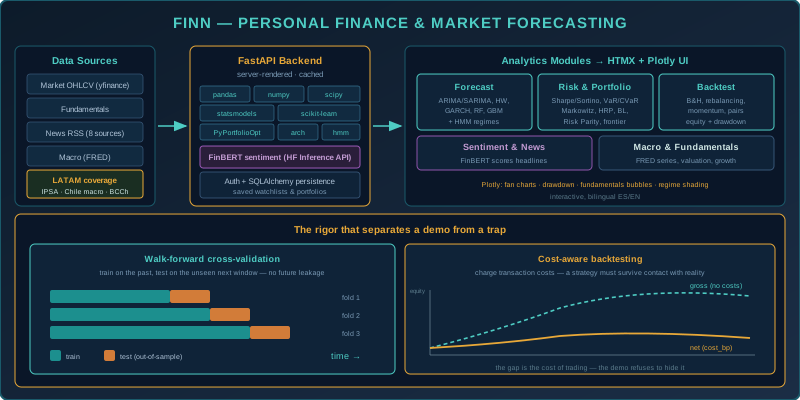
Finn — Personal Finance & Market Forecasting

Published:

Full-stack market-analytics platform: forecasting with walk-forward validation, a full risk and portfolio battery, cost-aware backtesting, FinBERT news sentiment, and LATAM market coverage.

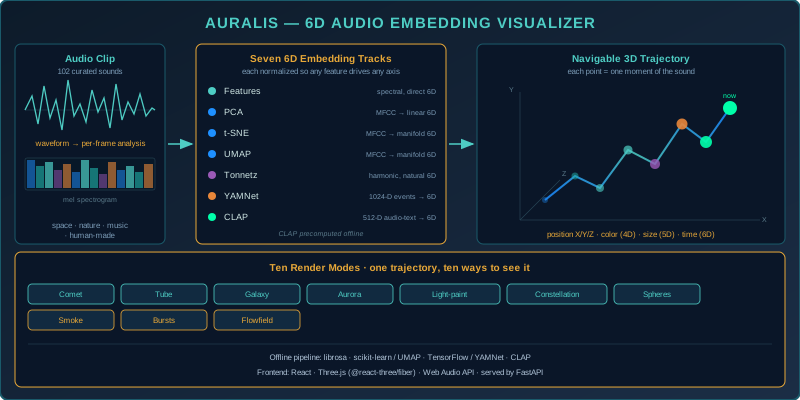
Auralis — 6D Audio Embedding Visualizer

Published:

Turns any sound into a navigable six-dimensional universe — seven embedding tracks, ten render modes, 102 curated clips — making abstract audio-ML representations tangible.

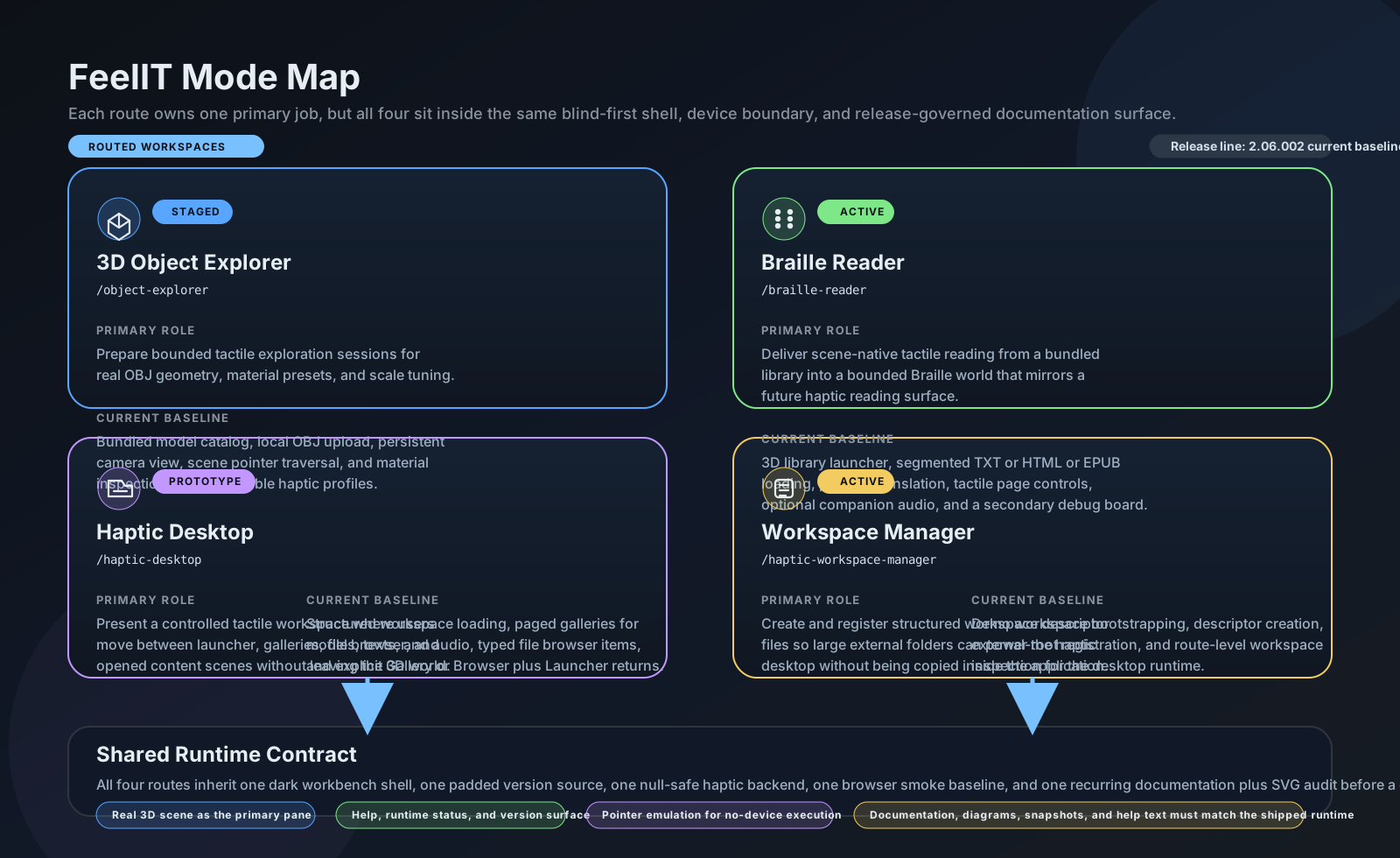
FeelIT 2.0 — Haptic Accessibility Workbench

Published:

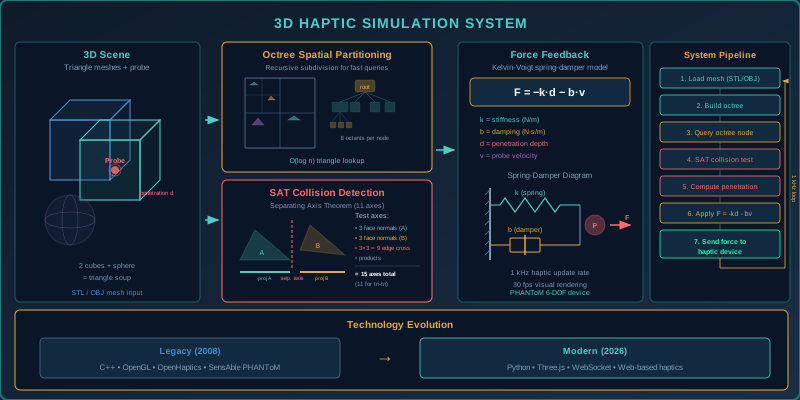
Modern web-based haptic accessibility platform for tactile 3D object exploration, Braille reading, and haptic desktop interaction — resurrecting and expanding a 2008 accessibility vision.

Crusher Liner Wear Management System

Published:

Full-stack platform for 3D point cloud analysis, wear profile tracking, and remaining-life forecasting of industrial crusher liners.

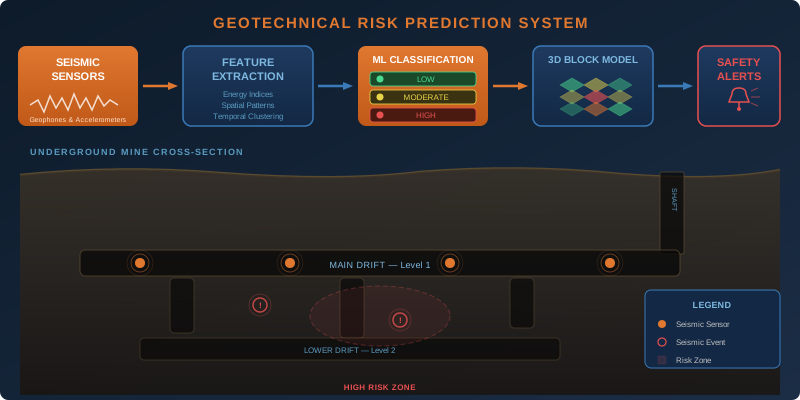
Geotechnical Risk Prediction System

Published:

ML-based prediction of geotechnical hazards in underground mining using seismic data, spatial features, and 3D block models.

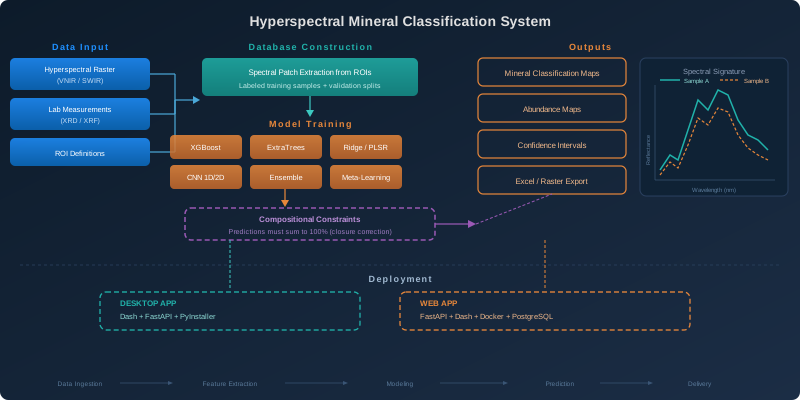
Hyperspectral Mineral Analysis by Topic Modelling (2022)

Published:

The original 2022 conference work that reframed hyperspectral mineral characterisation as a topic-modelling problem: spectra as documents, LDA topics as a routing layer for per-topic regression. Cut copper-recovery error an order of magnitude on drill-core data.

Mining Process Optimization Platform

Published:

End-to-end ML platform for optimizing SAG milling, flotation, and thickening operations across multiple mining divisions.

Dual Photography Lab

Published:

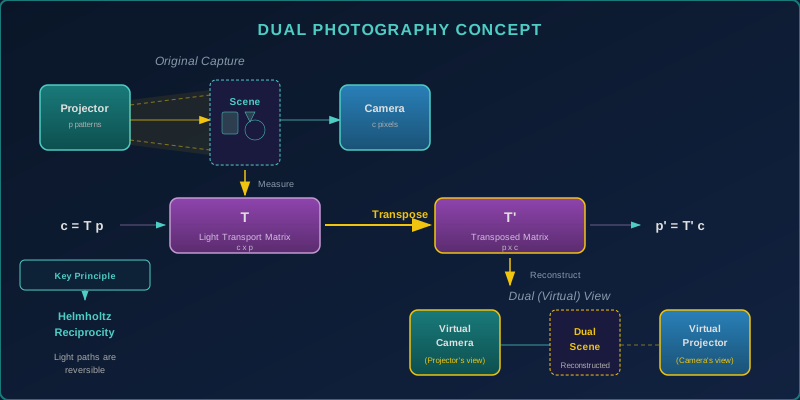
Computational imaging that reconstructs a scene from the projector’s viewpoint using light transport matrices and Helmholtz reciprocity.

HyClus Viz

Published:

A short Undergraduate Project for HSI Clustering Visualization

3D Distance Profiler — Depth Maps for Granulometry

Published:

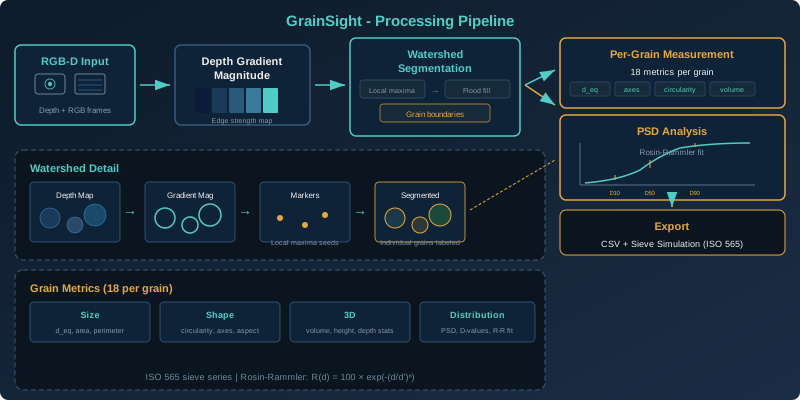
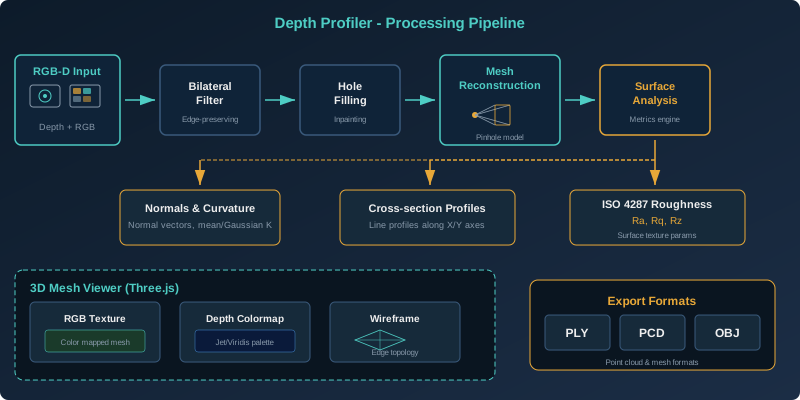
RGB-D depth profiling for mineral sample surface characterization — enabling granulometry detection from 3D surface reconstruction, curvature analysis, and ISO 4287 roughness metrics.

Cellular Potts Model Simulator

Published:

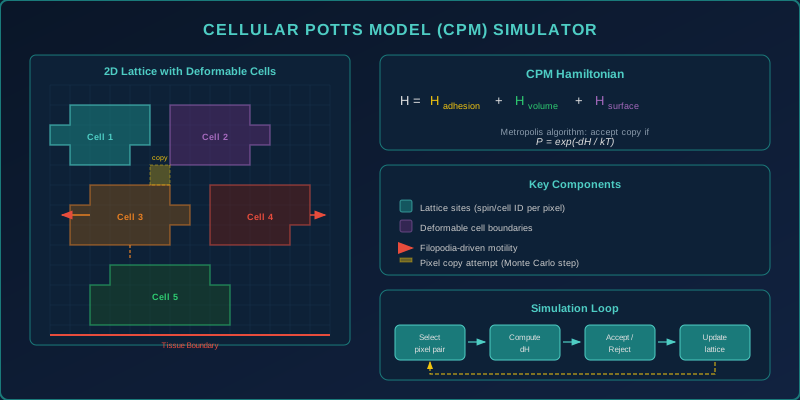
Interactive simulator for zebrafish embryonic cell migration using deformable cell bodies and filopodia-driven motility.

FeelIT

Published:

Haptic and VR interactive platform for visually impaired people — exploring tactile feedback for virtual objects.

3D Embryo Cell Migration Simulator

Published:

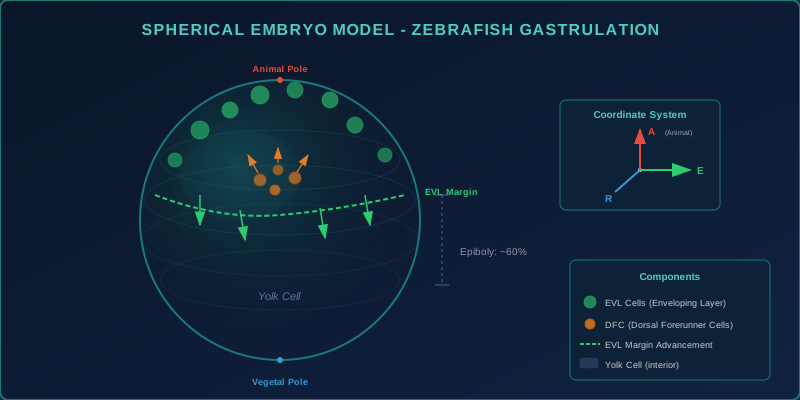
Interactive 3D simulation of collective cell migration on a spherical zebrafish embryo surface during gastrulation.

Robotic Writer

Published:

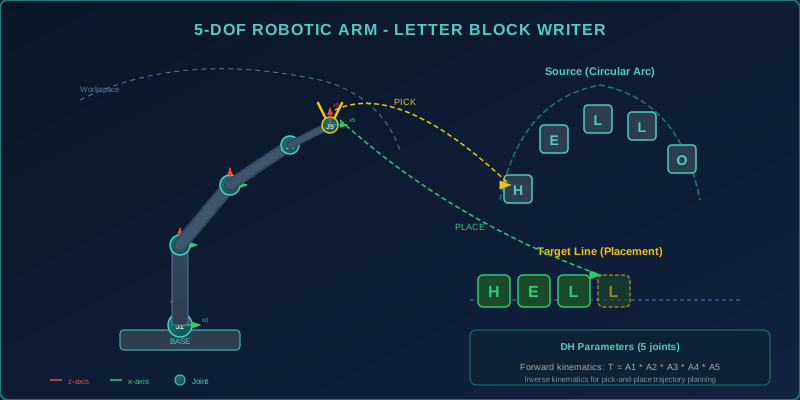
Simulation and control of a 5-DOF robotic arm that picks letter blocks and spells words — kinematics, trajectory planning, and hardware integration.